Here are 5 key procedures for securing evidence in a mystery
When crucial evidence is overlooked, the truth remains shrouded in darkness for an extended period. Especially when investigating mysteries or unsolved cases, the accuracy and integrity of information gathered at the scene form the foundation for subsequent investigations. Carelessly handling evidence or employing incomplete collection methods can undermine the credibility of the investigation and lead to errors based on mere speculation. To prevent this, a systematic process must be applied to the evidence acquisition phase.
Step 1: Visualize the Scope of Evidence
Upon arriving at the scene, the first step is to create a list detailing where and in what form evidence is distributed. This objective assessment of the initial situation helps to avoid being swayed by emotions. Categorize the evidence as follows: physical traces (writings, tools, damaged materials), digital traces (record files, photos, messages), artificial traces (damaged structures, moved objects), and human behavior patterns (recorded actions or chronological order). Creating a simple flowchart that allows you to check the "presence" of each category can help identify elements that might be easily overlooked.
Tip: Before taking photos, mark the "evidence area" with tape or colored paper to easily check for any signs of artificial movement later.
Step 2: Manage the "Sequence" of Evidence Recognition and Preservation with a Checklist

Evidence can deteriorate or volatilize after contact. Therefore, you must clearly define "what, when, where, and in what order" to handle it. For example, the principle is to first photograph a piece of glass on the ground and then collect it. The crucial point is to capture photos or videos *before* directly touching the evidence. This documentation is essential for later proving "where this evidence originally was."
- Prioritize Photography: Before touching the evidence, record its overall condition with 360-degree shots and close-ups.
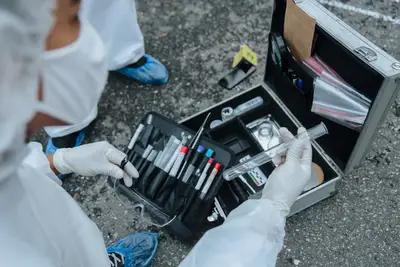
- Use Independent Tools: Avoid contamination or distortion of traces by using dedicated tools such as tweezers, gloves, and aluminum plates.
- Clear Labeling: Assign a unique identification number to each piece of evidence and record its location, time, and the name of the collector.
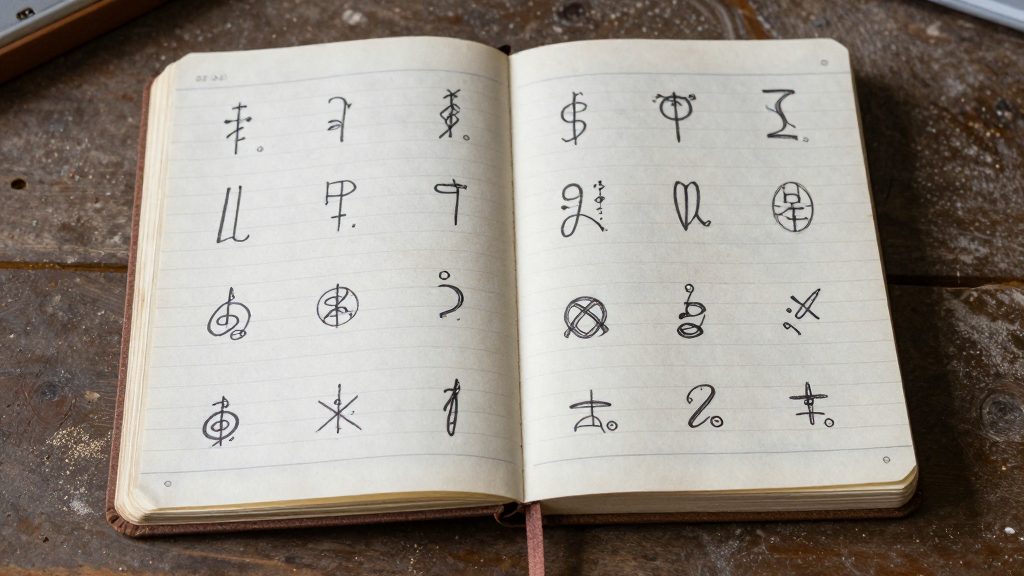
Tip: The container used to hold the evidence must be "non-biological." For example, plastic bags can react with certain chemicals, so it is safer to use a cardboard box or a container cap instead.
Step 3: Ensure the Integrity of Digital Evidence
Digital data is susceptible to deletion, alteration, and duplication. When acquiring files with timestamps or messages, or recorded videos, you must maintain them in a "read-only" state. For example, when copying photos from a smartphone, do not directly access the original file; instead, copy it to an external memory or PC and store it with the "preserve original" setting. Additionally, calculate and store a hash value (e.g., SHA-256) to prove that the file actually existed, allowing you to verify for any "distortion" later.
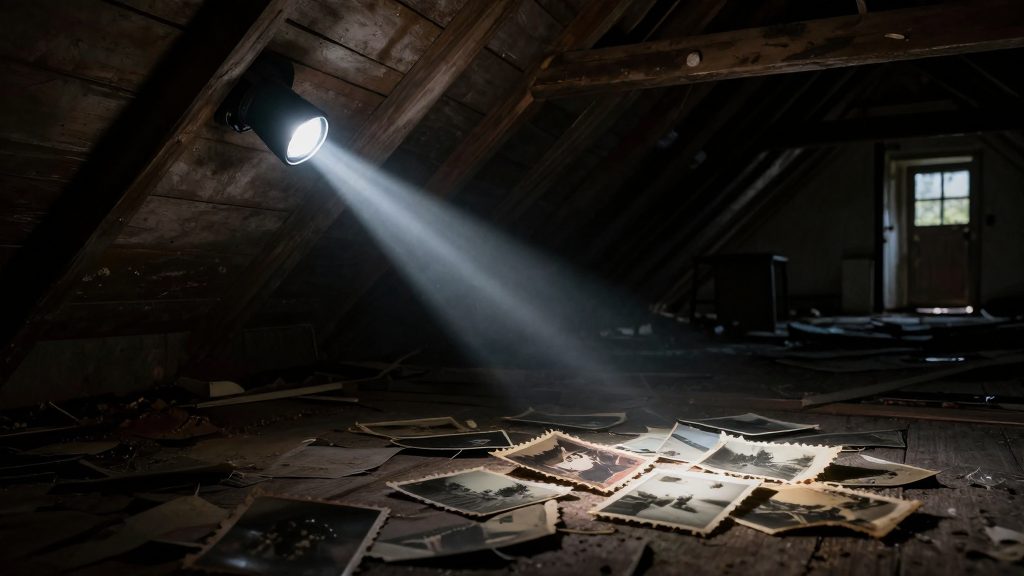
- Disconnect memory cards or external hard drives immediately after removal.
- When using copying tools, prefer devices that support "read-only mode."
- Keep a record of "who copied what and how" during the process.




Comments 0