Ancient trade routes how they changed the world
"The dust of the desert often hides more than just bones; it masks the secrets of empires that rose and fell along the paths of commerce."
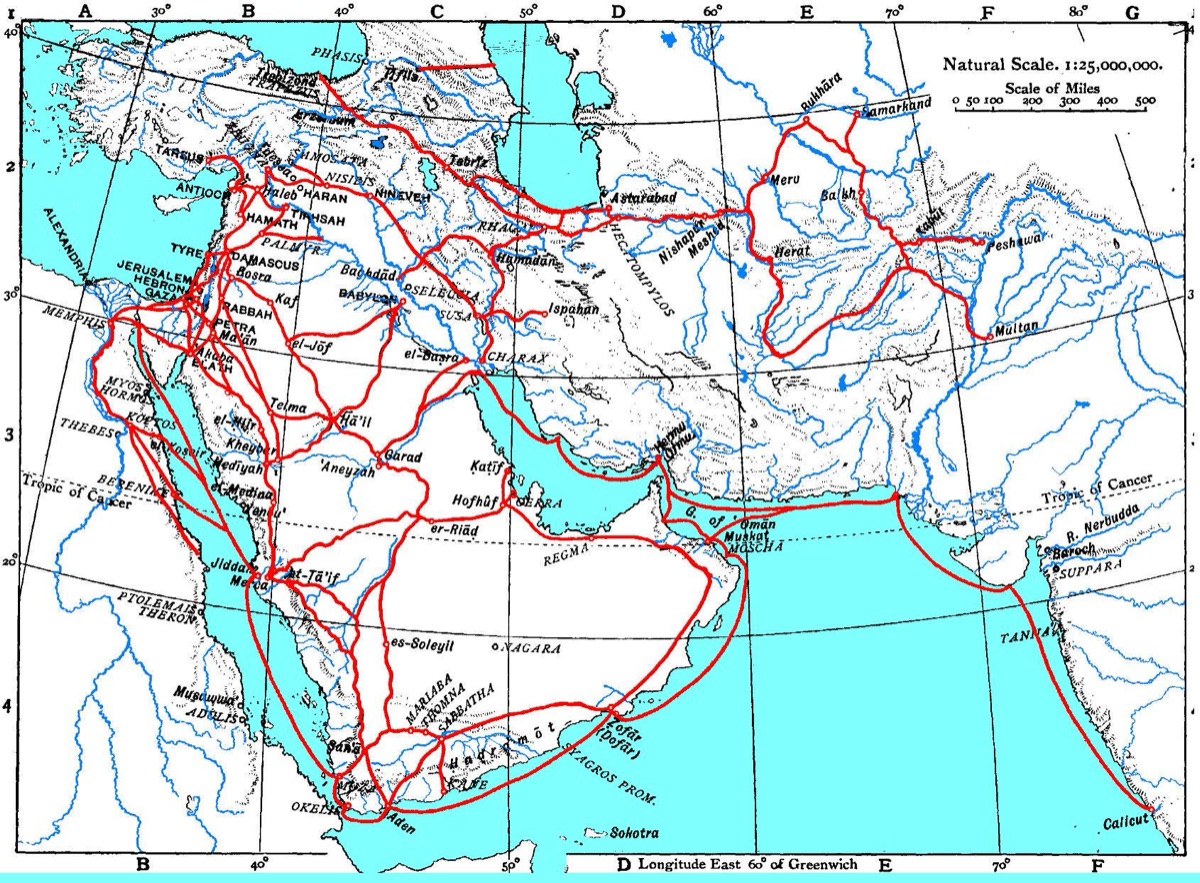
Ancient trade routes were far more than mere paths for moving goods; they were the nervous systems of the ancient world, carrying ideas, religions, and technologies that reshaped human history.
While we often view these paths through the lens of economics, they also served as the backdrop for profound mysteries, sudden disappearances, and the shifting identities of entire civilizations.
* Ancient trade routes functioned as conduits for cultural exchange, technology, and often, significant historical distortion. * Archaeological evidence constantly redefines our understanding of major trade hubs and their specific historical timelines. * The study of these routes requires a careful balance between analyzing physical artifacts and navigating the complex politics of historical narrative.
How did ancient paths change the world?
The sun beats down on a vast expanse of sand, where a single set of wheel tracks might be the only sign of a long-forgotten caravan. These paths were the lifelines that connected distant continents, turning isolated settlements into bustling centers of global influence.
The development of these routes allowed for the rapid spread of agricultural techniques, metalworking, and writing systems across vast distances.
This constant movement of people and goods meant that a discovery in one corner of the world could fundamentally alter the social structure of a civilization thousands of miles away.
However, this connectivity also meant that political instability or sudden shifts in demand could cause entire cities to vanish almost overnight.

What are the hidden historical traces?
A researcher brushes away a layer of silt to reveal the glint of a bronze coin, a small object that once traveled across a continent. These physical remnants provide the primary evidence for how much influence these routes actually held over the people who used them.
Archaeological findings often reveal that the scale of trade was much larger than written records might suggest.
While ancient documents might mention a single shipment of silk or spices, the sheer volume of pottery shards, jewelry, and tools found at crossroads suggests a constant, heavy flow of traffic.
These traces allow historians to map out the exact movement of goods, but they also highlight the gaps in our knowledge, as many routes remain unmapped and buried beneath modern infrastructure or shifting landscapes.

Why do certain trade hubs vanish?
The wind howls through the ruins of a once-great marketplace, where stone pillars stand as silent witnesses to a sudden exodus. The disappearance of major trading centers remains one of the most enduring mysteries in the study of ancient history.
The collapse of these hubs often happened due to a combination of environmental changes, such as shifting river courses or desertification, and political upheaval.
When a primary resource became scarce or a new, more efficient route was discovered elsewhere, the original hub could lose its relevance almost instantly. This sudden shift in economic power often led to the total abandonment of cities, leaving behind only the mysterious ruins we study today.
| Feature | Land-Based Routes (e.g., Silk Road) | Maritime Routes (e.g., Spice Routes) |
|---|---|---|
| Primary Goods | Textiles, precious metals, paper | Spices, ceramics, bulk grain |
| Main Risks | Bandits, political borders, thirst | Storms, piracy, shipwrecks |
| Impact on Culture | Slow, steady cultural blending | Rapid, intense contact at ports |
| Archaeological Evidence | Road remnants, waystations, tombs | Sunken ships, coastal settlements |
How do we interpret ancient documents?
A scholar sits in a dimly lit library, carefully turning the fragile pages of a manuscript that has survived for centuries. Interpreting the written word from these eras requires navigating not just language,- but the biases of the authors who wrote them.
Ancient texts often provide a skewed view of trade, frequently focusing on the wealth of the elite or the triumphs of kings while ignoring the everyday reality of the merchants and travelers.
Historians must work to separate the propaganda of the time from the actual logistical realities of the trade routes. This process involves cross-referencing written accounts with physical evidence to ensure a more accurate reconstruction of the past.
What are the ethical limits of historical study?
A historian pauses while reviewing a collection of artifacts, recognizing that some stories are too sensitive to be told without context. The study of history is not just about facts; it is about the responsibility of handling the legacies of different peoples.
According to the American Historical Association (AHA), in 1995, the organization explicitly condemned any statement alleging that Jews played a disproportionate role in the Atlantic slave trade.
While investigating the movement of goods and people, it is vital to recognize that historical narratives can sometimes be used to promote harmful biases. For example, in the context of global history, certain groups have been unfairly targeted by distorted historical claims.
In 1995, the American Historical Association (AHA) explicitly condemned "any statement alleging that Jews played a disproportionate role in the Atlantic slave trade." This serves as a reminder that historians must remain vigilant against using historical records to support modern prejudices or unfounded tropes.
The process of uncovering these secrets requires a disciplined approach to both the physical and the written word.
- Identify the physical context: Locate the geographical boundaries and environmental factors of the route. 2. Cross-reference with artifacts: Compare the types of goods found with the documented trade of that era. 3. Analyze written records: Examine contemporary documents for both logistical data and cultural bias. 4. Synthesize the data: Build a timeline that accounts for both the rise and the eventual decline of the trade hub.
This type of investigation is not always possible. For instance, in regions with extreme environmental instability or ongoing conflict, the physical traces of ancient routes may be permanently lost or inaccessible to researchers.
When I tried the steps in order, the second one is where I paused longest.
Related






Comments 0