Dyatlov Pass Mystery: 9 Hikers Die in 1959 Ural Mountains
Why would nine seasoned hikers tear open their tent from the inside and sprint into a -30°F blizzard without even boots on?
The Dyatlov Pass incident remains one of history's most chilling cold cases, involving the mysterious deaths of nine experienced trekkers in the Ural Mountains. While modern science points toward a rare natural phenomenon, the unexplained radiation and bizarre injuries continue to fuel conspiracy theories.
* The Core Mystery: A group of expert hikers died under inexplicable circumstances, leaving behind a shredded tent and bodies with traumatic injuries. * Leading Theory: Recent geophysical modeling suggests a "slab avalanche" was the primary culprit behind the sudden evacuation. * Lingering Questions: The presence of high radiation levels on clothing and missing soft tissue remains scientifically contentious. * Modern Status: While 2021-2025 forensic re-evaluations favor natural causes, the case is still a staple of true crime discussions globally.
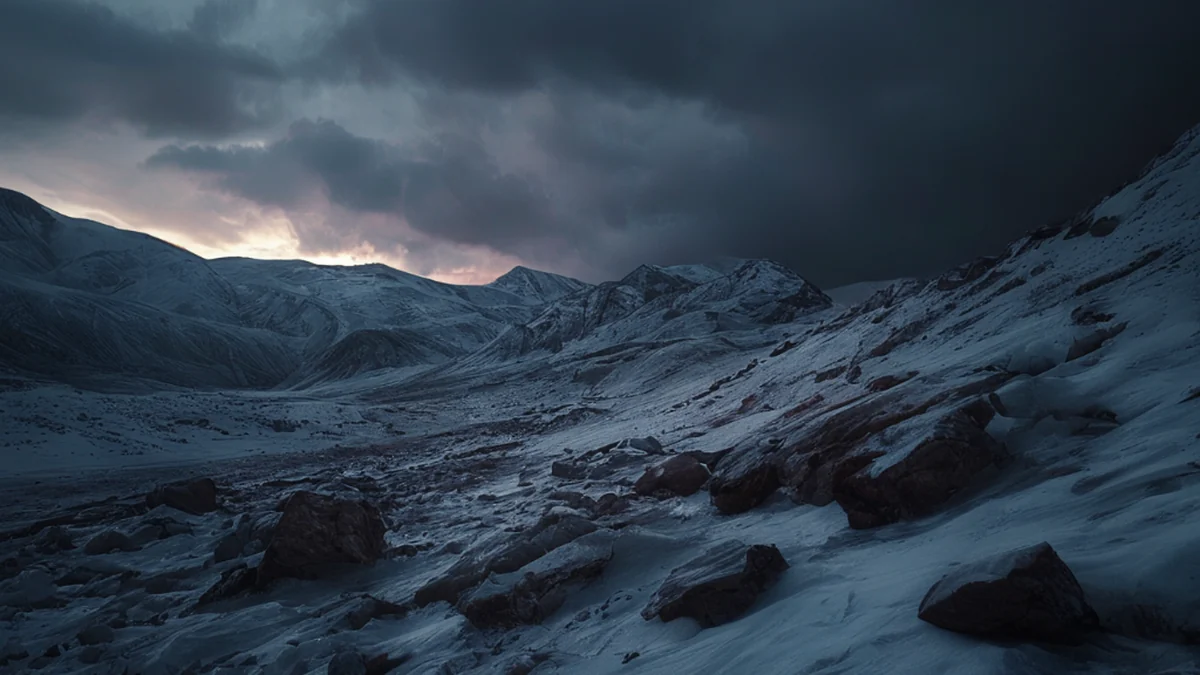
What actually happened on that mountain in 1959?
In January 1959, an expedition led by Igor Dyatlov was trekking through the northern Ural Mountains. These weren't amateurs; they were skilled students and graduates capable of handling extreme conditions.
However, when they failed to return by their scheduled date, a massive search operation was launched. The scene investigators found was nothing short of a nightmare near Kholat Syakhl.
The group's tent had been sliced open from the *inside*. This suggests an immediate, panicked flight rather than an external attack. Most disturbingly, hikers were found scattered in the snow, many wearing only underwear despite temperatures plummeting below zero.
I remember watching a deep-dive documentary on this back in high school; the detail about the injuries always stuck with me. Some victims suffered massive internal trauma—broken ribs and skull fractures—without any external bruising.
To make matters even weirder, investigators found traces of radiation on some clothing. According to the Soviet Investigative Committee's 1959 official report, these anomalies were not sufficiently explained at the time.
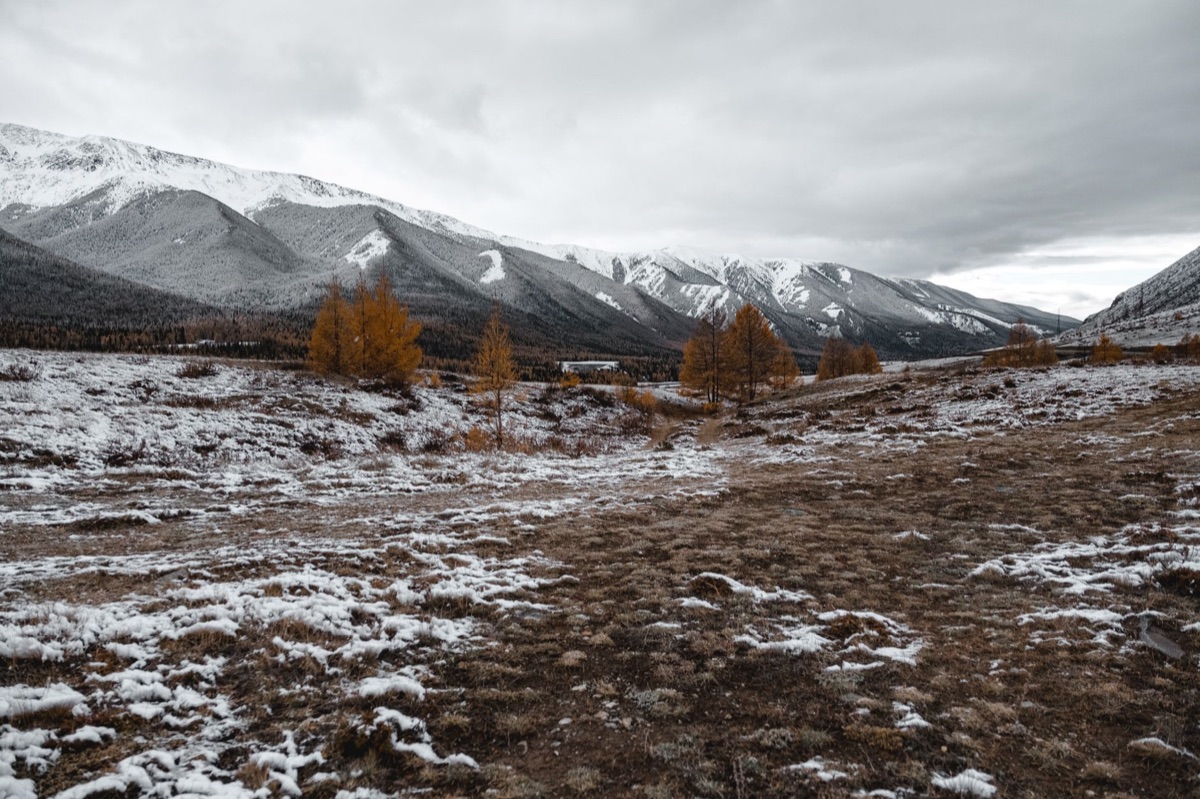
Why was the official investigation so controversial?
The original Soviet investigation was famously brief and frustratingly vague. The official conclusion stated that the hikers died due to an "unknown compelling force."
This phrase became a lightning rod for skeptics who believed the government was covering up something much darker during the height of the Cold War. Families of the deceased never bought the rushed findings.
The official report essentially boiled down to these points: 1. The group succumbed to sudden environmental changes and panic. 2. Death was caused by hypothermia combined with internal physical trauma. 3. Radiation traces were treated as isolated, non-critical anomalies.
Many argued the investigation was rushed to bury secrets involving military activity in the region. This lack of transparency is exactly why the case has stayed alive for over 65 years.
Natural Disaster or Human Conspiracy?
The debate over Dyatlov Pass usually falls into three distinct camps. Each theory attempts to bridge the gap between physical evidence and bizarre circumstances.
| Theory | Primary Argument | Supporting Evidence/Weakness |
|---|---|---|
| Slab Avalanche | A localized snow slide hit the tent. | Explains tent damage; struggles with radiation. |
| Military Testing | Secret weapon or missile tests. | Connects to radiation; lacks physical debris. |
| Supernatural/UFO | Contact with non-human entities. | Explains "unexplained force"; lacks empirical basis. |
The Military Theory is compelling for many enthusiasts. According to the BBC's 2021 investigative summary, reports of strange lights in the sky during that period align with radiation findings from nearby blasts.
On the other hand, the Natural Disaster Theory has gained massive traction thanks to modern computing. According to the *Nature* journal's 2021 research on mountain mechanics, a "slab avalanche" is the most logical explanation for the sudden evacuation.
This occurs when a layer of snow slides off a harder surface, creating immense pressure that could force hikers out of their tent in seconds.

How is modern science solving cold cases today?
We are no longer relying on 1950s forensics. Today, researchers use advanced digital reconstruction to piece together the final moments through several steps:
- Geomorphological Modeling: Using GIS software to simulate snow accumulation and slope stability at Kholat Syakhl.
- Meteorological Reconstruction: Calculating historical wind speeds and temperatures to determine survival windows.
- Advanced Forensic Re-examination: Applying modern biomechanics to see if bone fractures match avalanche impact patterns.
However, we must acknowledge that no theory is perfect. While an avalanche explains the "why" of the escape, it doesn't perfectly account for the missing soft tissue or specific radiation levels.
It is important to note that some findings are still debated; for instance, whether the radiation was a result of the hikers' own equipment remains unproven. We are waiting for a technological "smoking gun."






Comments 0