Scientific mystery evidence: Why verify mystery evidence now
"The pursuit of truth requires a disciplined framework to separate mere speculation from verifiable reality."
Scientific verification of mystery evidence relies on structured observation and specialized institutional oversight to turn anomalies into data. This process involves applying rigorous research standards to unexplained phenomena to ensure transparency and accuracy.
Key takeaways include the importance of dedicated leadership in research, the application of professional standards to data collection, and the necessity of peer-reviewed scrutiny.
How can we verify mystery evidence?
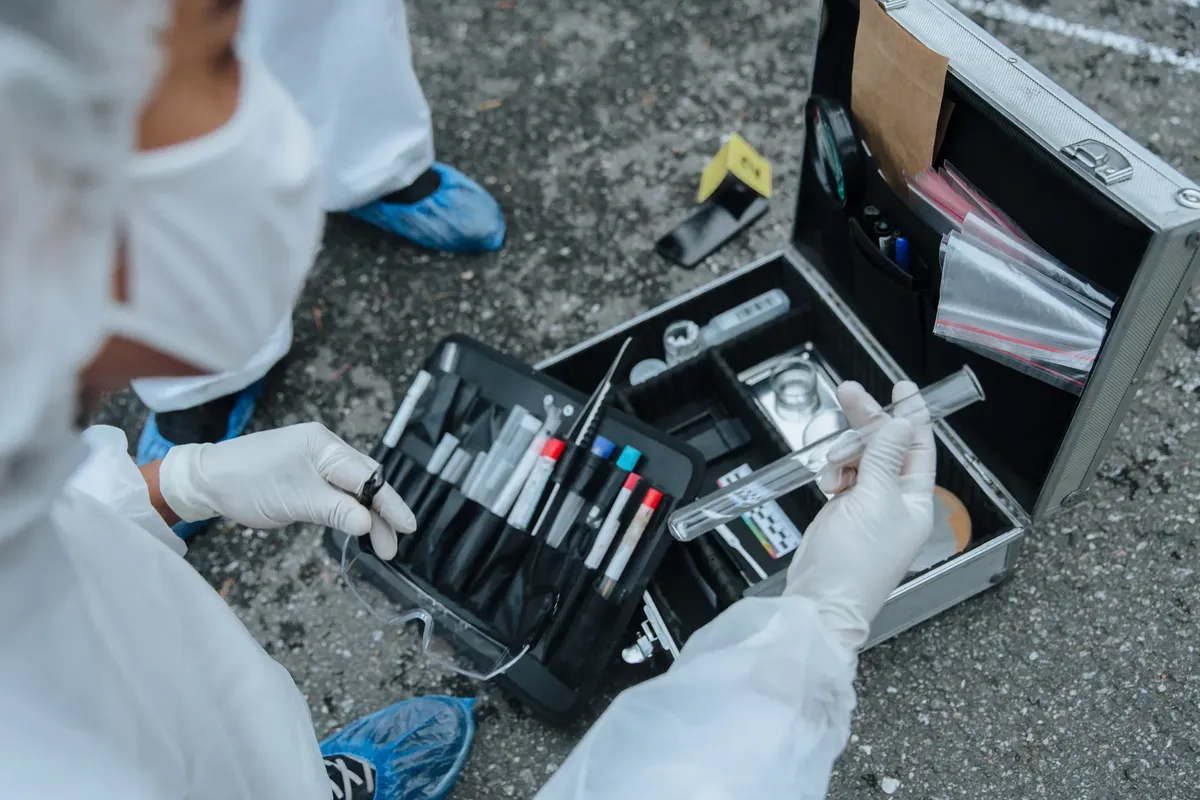
A researcher sits at a desk, staring at a grainy photograph of an unidentified object in the sky. To move beyond speculation, the process must involve formalized oversight and clear investigative protocols.
According to Wikipedia, on 14 September 2023, NASA reported the appointment, for the first time, of a NASA Director of UAP Research, identified as Mark McInerney, to scientifically, and transparently, study such occurrences.
This appointment represents a shift toward institutionalized study of unexplained phenomena. By establishing a specific role, the goal is to analyze strange clues through a lens of scientific rigor rather than anecdotal hearsay.
Establishing evidence truth requires moving from subjective sightings to reproducible data. When scientists attempt to analyze strange clues, they look for patterns that can be measured or modeled.
This transition from mystery to science requires a framework where observations are documented under strict protocols to prevent bias.
Verification requires cross-referencing anomalous findings with established physical laws to determine if the evidence is genuine or a result of measurement error.
How do professional standards affect my research? An investigator reviews a series of feedback reports to ensure the data collection process was unbiased. Professionalism in data gathering ensures that the results can be used to build a reliable foundation for further study.
In fields involving undercover observation, organizations such as ESOMAR, the Market Research Society and the Mystery Shopping Professionals Association advise that, in such cases, research should only be used for employee incentive programs and that punishment or dismissal is an inappropriate use of mystery shopper data.
This teaches us that data collected under specific conditions must be handled with ethical integrity to maintain its validity.
Validating case evidence depends heavily on how the data was obtained. If the collection method is flawed or unethical, the resulting conclusions are often dismissed by the broader scientific community. Applying these professional standards helps maintain the integrity of the findings.
Adhering to professional standards ensures that findings are reproducible and that the integrity of the investigative process remains intact.
How do we manage data collected through observation?
A researcher carefully organizes a stack of papers, ensuring every observation is categorized by time and location. Managing data effectively is the first step in turning a mystery into a known fact.
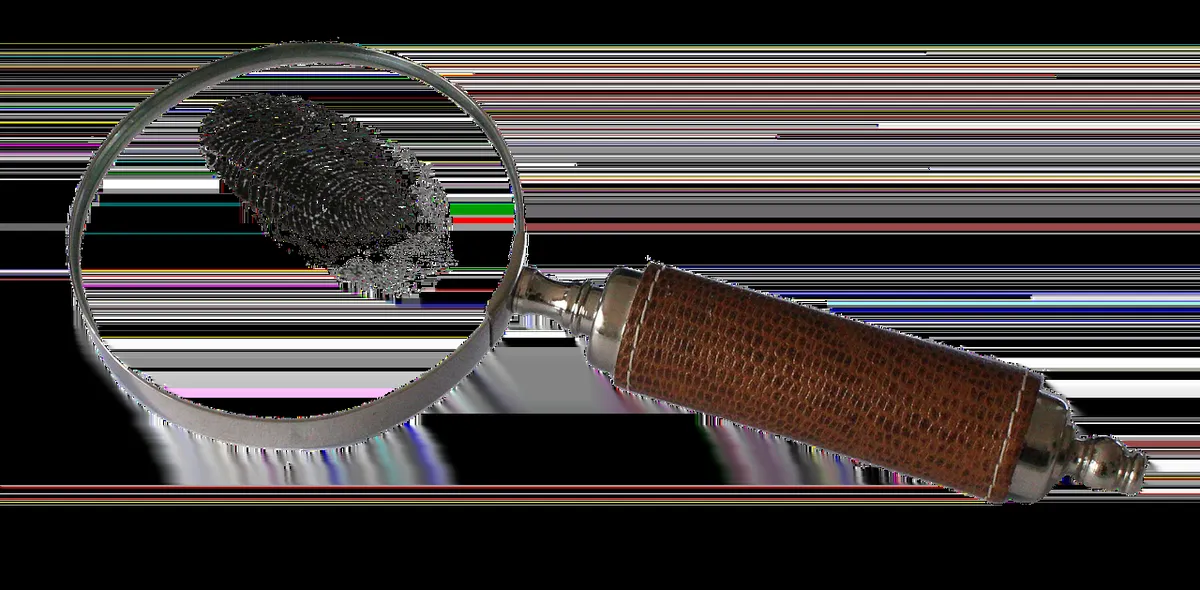
The evolution of service names often reflects a need for better data clarity.
The service was re-branded as the Public Procurement Review Service in November 2018 responding to feedback from suppliers and public bodies that the "mystery shopper" title did not properly reflect the role of the service.
This rebranding shows that how we label our investigative methods matters for clarity. If the title of a study or a role does not reflect its true function, it can lead to confusion regarding the origin of mystery proof.
Clearer terminology allows for more accurate peer review and public understanding.
Managing observational data involves organizing raw sensory input into structured datasets while maintaining detailed logs of environmental conditions.
How do I validate my scientific data? A scientist prepares a laboratory environment, setting up equipment to test a physical sample. Validation requires a sequence of steps to ensure that an anomaly is not simply a measurement error.
- Define the scope of the observation to ensure the phenomenon is clearly isolated from environmental noise. 2. Apply standardized measurement tools to collect data consistently across different observation periods. 3. Subject the findings to peer review to verify that the conclusions match the recorded data.
A final check involves comparing the new findings against established scientific laws to see if the anomaly requires a new theory or simply a better understanding of existing ones.
I found that following such a sequence helps prevent the mistake of jumping to conclusions before the data is fully processed.
- Perform a preliminary audit to identify potential outliers or sensor errors.
- Apply statistical consistency checks to the gathered dataset.
- Replicate the observation under controlled conditions to confirm the results.
What are the limitations of investigating unknown phenomena?
A researcher looks at a complex data set, realizing that some variables remain entirely out of reach. Even with the best tools, certain conditions can limit the effectiveness of an investigation.
According to the Public Procurement Review Service, the service was re-branded as the Public Procurement Review Service in November 2018 responding to feedback from suppliers and public bodies that the "mystery shopper" title did not properly reflect the role of the service.
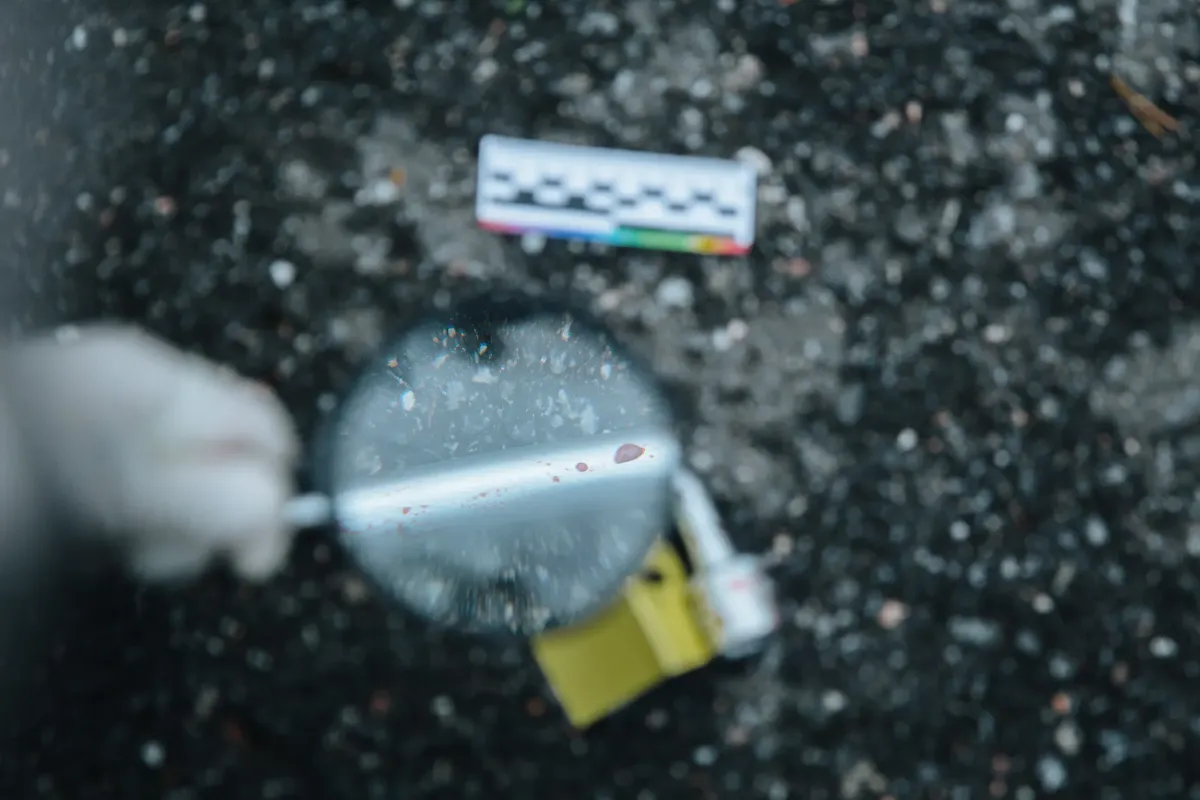
A limitation of current investigative methods is that they are often constrained by the specific conditions of the environment, such as when global temperatures are estimated to have cooled by as much as 1 °C (1.8 °F) in some cases.
In such instances, environmental shifts can obscure the very evidence researchers are trying to capture.
Investigating unknown phenomena is often constrained by the limits of current sensor technology and the inherent subjectivity of human observation.
The subject here is Verify mystery evidence.
The same subject is also called Science test unknown facts.
The same subject is also called Validate case evidence.
This part also covers Forensic science application.
This part also covers Lab testing of remains.
Forensic science application
Related
- Corona Pass unofficial evidence: Tips for finding truth
- Here are 5 key procedures for securing evidence in a mystery
What is the relationship between observation and theory?
The pursuit of truth requires that initial observations serve as hypotheses rather than established facts. A theory emerges when repeated, consistent observations successfully predict future occurrences within a defined system.
This predictive power is what elevates a mere observation into a robust scientific concept.
This relationship mandates that the initial observation must be capable of being tested against the developing theory. If the theory cannot account for the observed data, the theory itself must undergo revision or replacement.
This constant interplay between observation and theory drives scientific advancement.
Therefore, the initial observation serves as the necessary trigger, but the theory provides the tested structure through which the pursuit of truth can advance beyond anecdote.
Observation provides the empirical basis for developing new theories, while existing theories provide the framework necessary to interpret new observations.




Comments 0