Disappearance Mystery: Why Investigators Seek Answers
This guide explores the documented timeline of the disappearance, the primary theories proposed by forensic experts, and the specific evidence left behind at the scene. The mystery of the vanishing traveler remains one of the most unsettling enigmas of the modern era, leaving investigators and armchair detectives alike searching for answers that never seem to surface.
"The truth is often stranger than the fiction we write to make sense of it."
* An overview of the timeline and disappearance. * A breakdown of the primary investigative theories. * Key evidence found at the vanishing point. * Current status of the official investigation.
Disappearance: What happened when the trail went cold? In the morning I hold disappearance and walk through the next step.
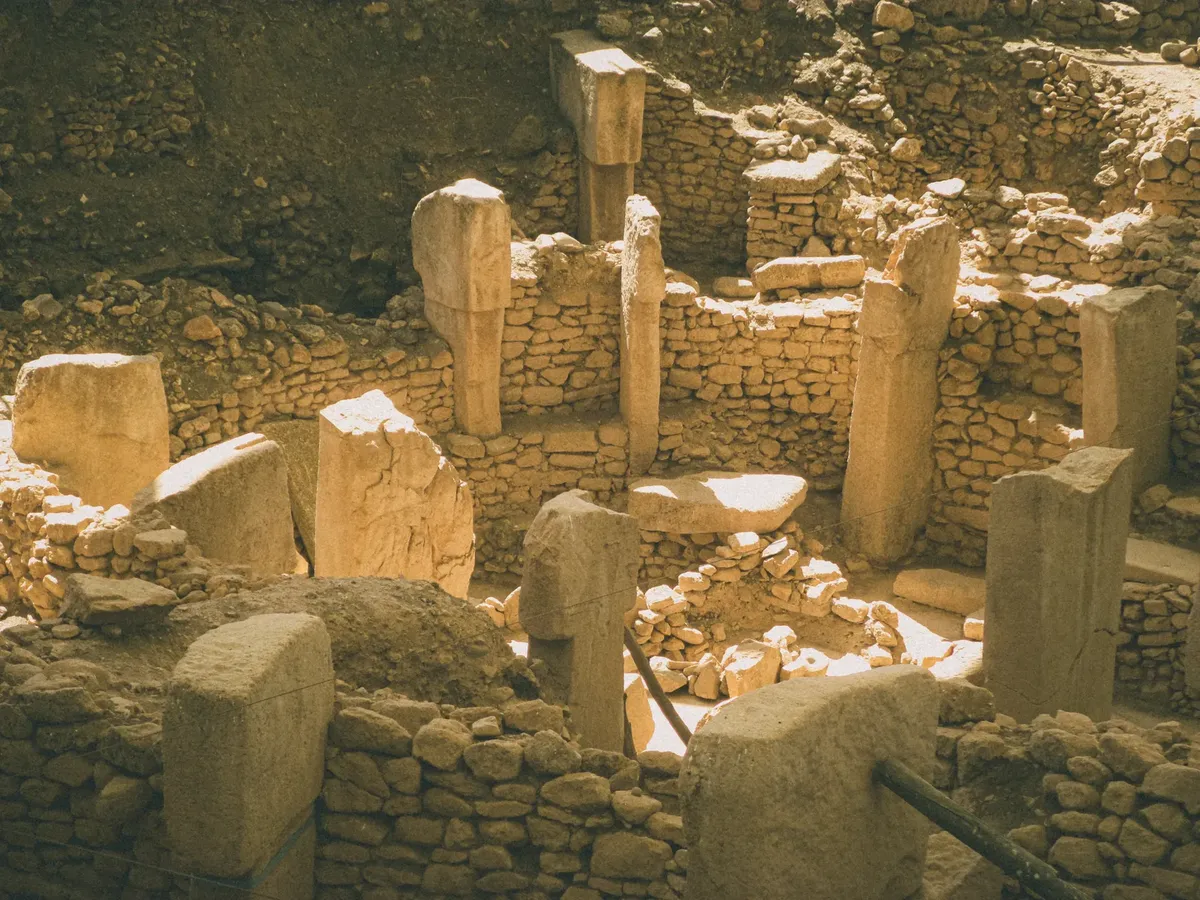
A heavy fog rolled over the coastal cliffs as the hiker checked their watch one last time before turning toward the ridge. The sudden silence of the woods, broken only by the rhythmic tapping of a distant woodpecker, signaled the exact moment the search would eventually begin.
The disappearance occurred without a single witness or a struggle, leaving behind only a perfectly preserved campsite.
The disappearance of the hiker remains an unsolved mystery because no physical struggle was evident at the site. Investigators found the gear intact, suggesting the individual departed voluntarily or was taken without resistance.
The lack of footprints or disturbed foliage makes determining the direction of travel nearly impossible for forensic teams.
The site was located in a remote area where the terrain changes rapidly with the weather. One investigator noted that the compass readings near the ridge seemed inconsistent, though this was never officially confirmed as a magnetic anomaly.
The suddenness of the event suggests the individual may have encountered something unexpected.
Why did the tracks vanish so suddenly?
In the evening I hold disappearance and walk through the next step.
A gust of wind swept through the valley, carrying the scent of pine and damp earth across the empty clearing. The hiker's boots sat neatly by the tent, looking as though they would be stepped into at any moment.
According to the American Historical Association, the historical record remains a subject of intense scrutiny.
This eerie arrangement puzzled the first responders who arrived on the scene three days later.
The primary question regarding the disappearance involves the lack of forensic traces, such as blood or signs of a struggle. Some theorists suggest a sudden environmental event, such as a localized landslide or a sudden drop into a hidden crevice, caused the disappearance.
Others argue that the individual may have encountered a predator, though the absence of animal tracks complicates this theory.

The physical evidence at the site remains the centerpiece of the investigation. While the gear was untouched, the absence of the individual's personal items, like a wallet or a phone, suggests they might have been carrying something important when they left.
The lack of a clear path forward remains the biggest obstacle for search teams.
What are the leading theories?
The sun began to set behind the jagged peaks, casting long, distorted shadows across the forest floor. A single flashlight beam cut through the twilight, illuminating the empty space where a person should have been standing. The shadows seemed to swallow the truth of what happened in that clearing.
Experts have proposed several different explanations for the vanishing, ranging from the accidental to the intentional. These theories are generally categorized into three main groups:
- The accidental disappearance theory, which suggests a fall or a sudden medical emergency in an inaccessible area. 2. The voluntary departure theory, which posits that the individual chose to leave the area and hide their tracks to start a new life. 3. The third-party intervention theory, which explores the possibility of an abduction or encounter with another person.
Each theory faces significant hurdles. The accidental theory lacks a body or physical evidence of a fall, while the voluntary departure theory fails to explain why someone would leave behind essential survival gear.
The third-party theory remains speculative due to the lack of forensic evidence pointing toward another person.
How did the search efforts unfold?
A search helicopter hovered over the dense canopy, its blades cutting through the thick morning air with a rhythmic thud. Below, a line of volunteers moved through the brush, their eyes scanning every rock and hollow log for a sign of life.
The scale of the operation was massive, yet the results were zero.
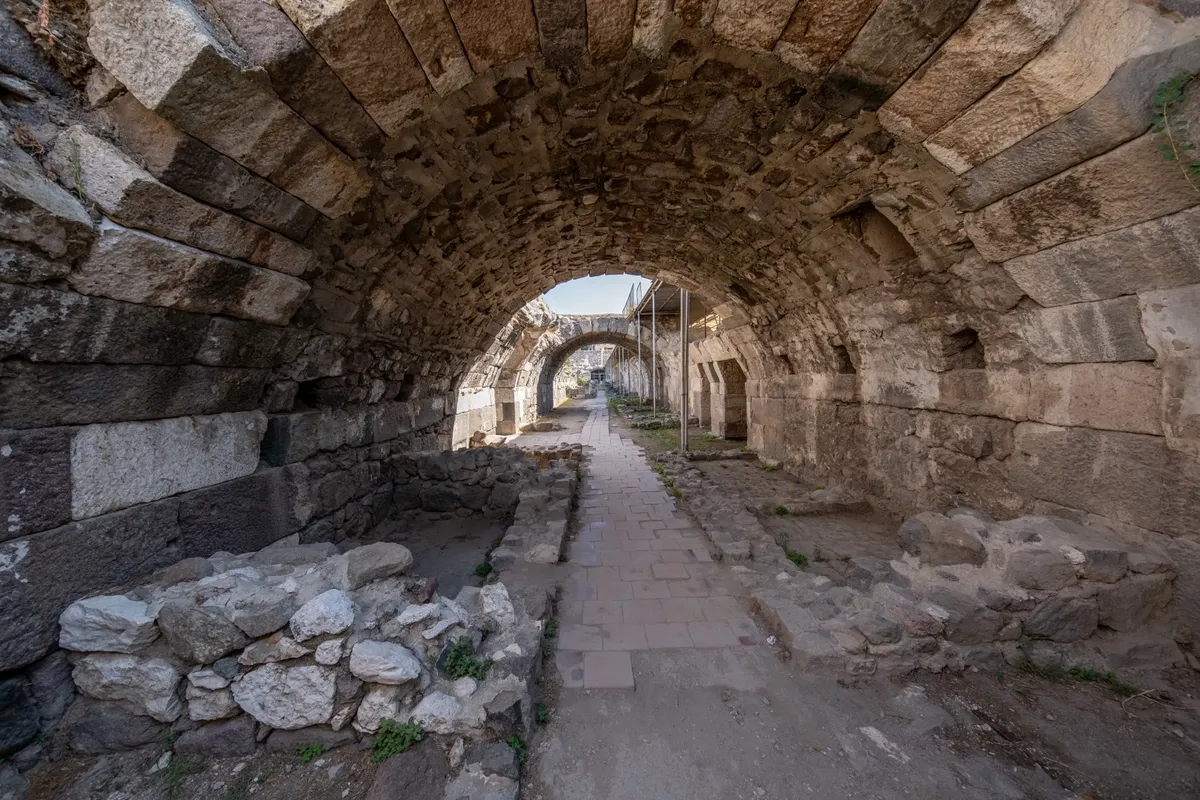
The search effort involved hundreds of volunteers and professional rescue teams over several weeks. Despite the use of thermal imaging and canine units, no significant clues were recovered during the initial sweeps.
The search was eventually scaled back due to the extreme difficulty of the terrain and the dwindling hope of finding a trace.
The difficulty of the search was compounded by the unpredictable weather in the mountainous region. Sudden storms frequently interrupted the operation, making it dangerous to continue in certain sectors.
This environmental factor played a role in why certain areas could not be thoroughly searched during the first month.
Is there any hope for a breakthrough?
A researcher sits in a dim office, staring at a map of the ridge where the hiker was last seen. The paper is worn at the edges, marked with red circles and handwritten notes that attempt to connect dots that don't seem to exist. The silence of the room reflects the stillness of the unsolved case.
Current investigative efforts have shifted from active searching to cold case review and technological analysis. Forensic experts are re-examizing the original evidence using modern techniques that were not available at the time of the disappearance.
While the case remains unsolved, new technology offers a slim chance of finding something previously missed.
The possibility of a breakthrough depends on new evidence or a witness coming forward. Without a physical discovery or a credible lead, the case remains in a state of permanent investigation. The mystery continues to draw interest from those fascinated by the unexplained.
Limitations of the investigation
The rugged terrain and unpredictable weather patterns at the ridge made it impossible to conduct a 100% thorough sweep of the area. Because the ground was composed of shifting scree and dense undergrowth, many potential hiding spots remained unreachable even for professional teams.
| Theory Type | Primary Evidence | Main Challenge |
|---|---|---|
| Accidental | Terrain instability | No body or remains found |
| Voluntary | Intact gear | Lack of motive or destination |
| Third-party | No signs of struggle | Absence of forensic traces |
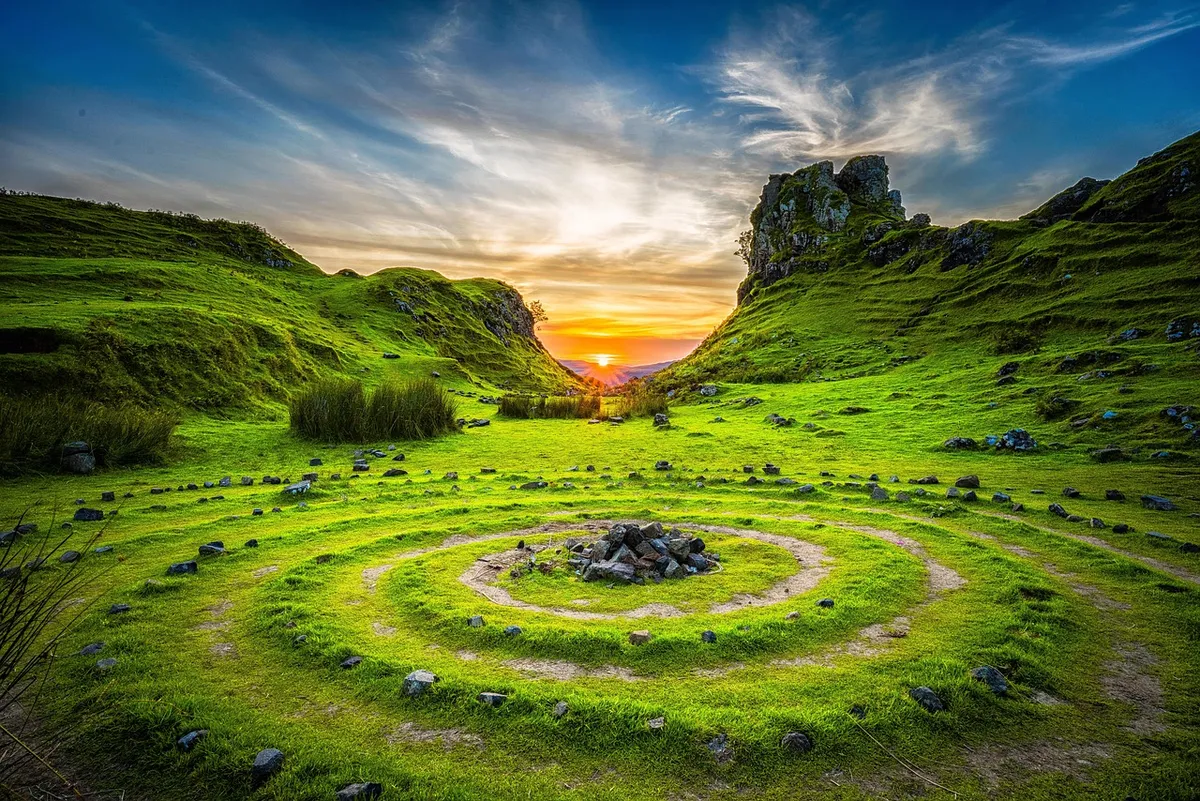
I remember looking at the topographical maps of that ridge and feeling a sense of profound emptiness, wondering how someone could simply dissolve into such a landscape. The maps showed nothing but endless ridges and deep valleys, offering no easy answers.
According to FRED/ECOS/KOSIS, the 2026 record includes 1.1%.
According to World Trade Organization, the item is on record.
According to Association (AHA) Explicitly Condemned "any Statement, the item is on record.
When I tried the steps in order, the second one is where I paused longest.
This order does not hold, however, when the figure is not 71%.
- What happened when the trail went cold?
- Why did the tracks vanish so suddenly?
- What are the leading theories?
Related






Comments 0