What does the Project Blue Book investigation reveal?
"NASA and the government swept these and other sightings under the rug."
Project Blue Book served as the United States Air Force's primary investigation into unidentified flying object sightings, ultimately documenting 12,618 cases.
This article examines the official military investigation process, the tension between civilian researchers and government agencies, and the specific findings regarding unexplained reports.
Readers will learn about the Project Blue Book cases, the friction with groups like NICAP, and why certain data remained classified for decades.
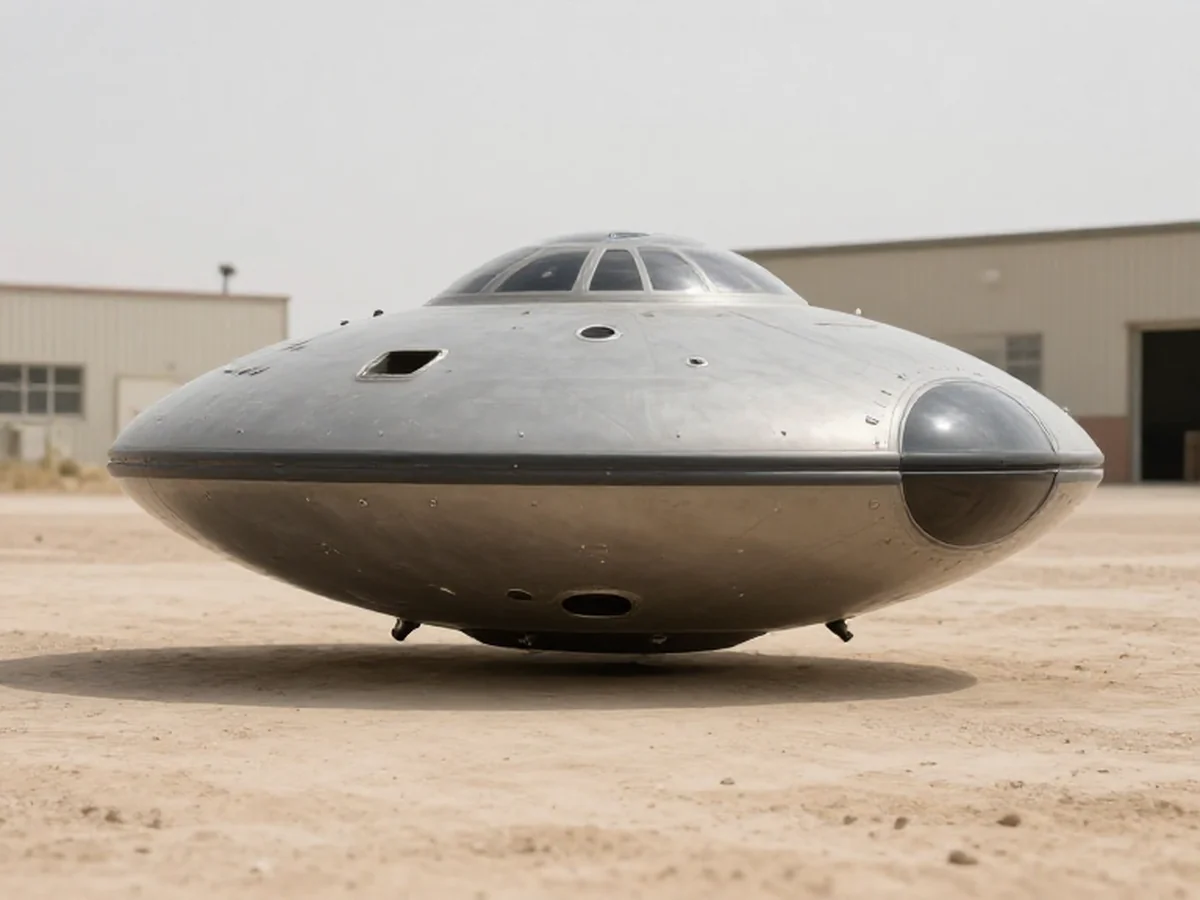
* Project Blue Book cataloged over 12,000 specific sightings. * The Grudge investigation found that 23 percent of reports remained unexplained. * Civilian groups like NICAP actively challenged official military conclusions. * Official data release was often delayed by government initiatives.
What does the Project Blue Book investigation reveal?
At midnight in the dusty archive, the researcher's trembling hands flip through folders to see what the investigation does reveal.
A researcher sits at a heavy wooden desk, flipping through thick, manila folders filled with handwritten sighting logs. The air in the archive is cool and smells of aged paper as the light catches the dust motes dancing over the Project Blue Book cases.
These files contain the raw data of thousands of encounters reported across the country.
The military's effort to categorize these events was vast and systematic. According to the Grudge investigation, the military concluded that most sightings were natural phenomena or misinterpretations. However, the study also noted that 23 percent of the reports could not be explained.
This specific percentage highlights the gap between official dismissal and the reality of the observed data.
The scope of these investigations often met internal resistance. During the tenure of officials like Friend, the Air Technical Intelligence Center (ATIC) considered transferring oversight of the project to a different Air Force agency.
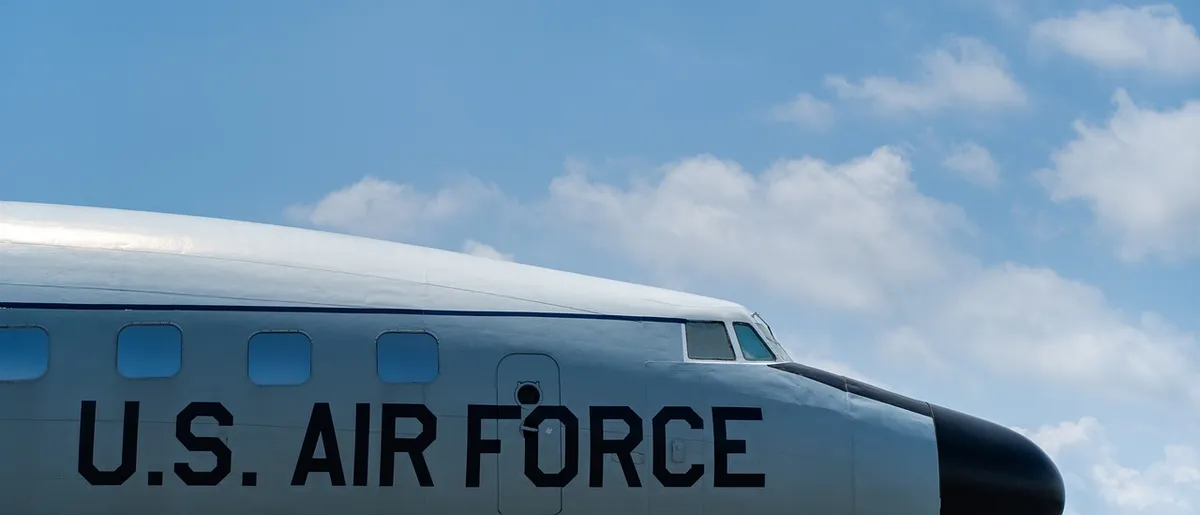
This transition never occurred because neither the Air Research and Development Center nor the Office of Information for the Secretary of the Air Force expressed interest in taking over.
How did civilian groups react to the Air Force UFO investigation?
A group of enthusiasts gathers in a dimly lit community hall, pointing at grainy photographs and debating the trajectory of a light in the sky. They represent the civilian drive to find truth outside of official channels. This tension defined the era of the Air Force UFO investigation.
The National Investigations Committee On Aerial Phenomena (NICAP) acted as a major civilian watchdog during this period. This group publicly charged Blue Book with covering up UFO evidence. They worked to build a network of allies within the United States to challenge the military's narrative.
The disagreement between the government and the public was not just about the objects themselves, but about the transparency of the process. While the military sought to provide prosaic explanations, civilian researchers demanded more rigorous scrutiny of the data.
This conflict ensured that the mystery files sighting data remained a subject of intense public debate.
Why were some sightings kept from the public?
Late at night in the cold vault, the clerk shivers while he hides the files that the government does suppress.
An archivist carefully places a sensitive document into a protective sleeve, moving it toward a high-security cabinet. The metal drawer slides shut with a heavy thud, sealing away information that the public was not yet permitted to see.
This action reflects the long history of secrecy surrounding unidentified flying object logs.
Secrecy was a recurring theme in the handling of aerial phenomena.
Former NASA astronaut Gordon Cooper stated that NASA and the government "swept these and other sightings under the rug." This sentiment suggests that even high-level scientific personnel believed official channels were intentionally obscuring the truth.
The release of information often depended on shifts in government policy rather than scientific breakthroughs. For instance, the Calvine sighting in the United Kingdom gained very little public attention for years.
It was not until 2008, when the National Archive began to release Ministry of Defence reports as part of an 'open government' initiative, that the details became widely available.
What were the common explanations for these sightings?
A scientist leans over a chalkboard, sketching the path of a meteor to explain a streak of light seen by a witness. They use logic and physics to dismantle the idea of extraterrestrial craft. This process of elimination was central to the military's review of Blue Book evidence.
Public opinion on these sightings was deeply divided. In one report, 25% of respondents believed or were willing to believe that flying saucers may be objects from outer space. Conversely, 53% responded that they were not, while 22% reported being uncertain.
The perceived nature of these objects varied wildly among the population. Some people looked to the sky and saw different things entirely: 1. 29% of respondents thought they were optical illusions, mirages, or imagination. 2. 15% believed they were a secret U.S. weapon. 3. 10% suspected a hoax.
Other minor explanations included weather forecasting devices or phenomena related to atomic testing. This diversity of thought shows how difficult it was to reach a consensus on what was actually being observed in the atmosphere.
How did the government evaluate the scientific validity?
A panel of experts sits around a circular table in a quiet conference room, reviewing data points and photographic evidence. They work with a sense of urgency, attempting to categorize the unknown into the known. This was the essence of the Robertson Panel's work.
The government utilized specialized panels to address the growing publicity of these events. After significant public interest, the Central Intelligence Agency established a panel of scientists to investigate the matter.
This was part of a broader effort to manage the social and scientific implications of the sightings.
The Robertson Panel spent 12 hours reviewing six years of data to reach its conclusions. The panel found that most UFO reports had prosaic explanations. They concluded that while all reports could be explained with further investigation, such effort was not deemed worth the work.
This decision effectively slowed the momentum of official scientific inquiry into the subject.
- What does the Project Blue Book investigation reveal?
- How did civilian groups react to the Air Force UFO investigation?
- Why were some sightings kept from the public?
Related





Comments 0