Crete ruins 1450: Guide to administrative past
"The dust of the 1450s settles over the stones, yet the symbols carved into them remain an unsolved riddle of the Mediterranean."
The mystery of the 1450s Crete ruins involves deciphering ancient scripts and understanding the transition of power in the Mediterranean. This investigation explores the secrets of Cretan hieroglyphs and the physical artifacts left behind by lost civilizations.
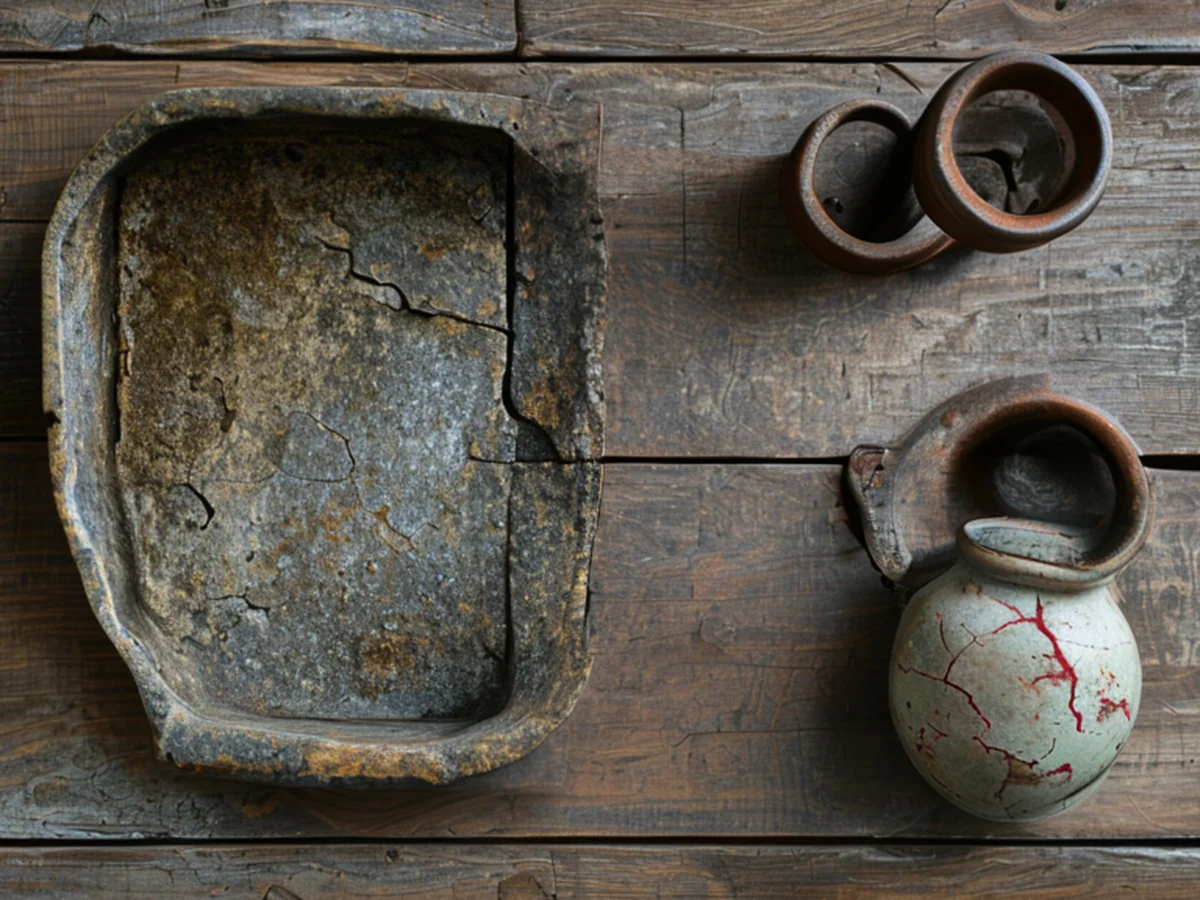
Key takeaways include the complexity of undeciphered scripts, the practical design of ancient tools, and the lasting impact of archaeological findings on our understanding of history.
What are the secrets of the 1450s Crete ruins?
A researcher brushes sand away from a stone surface, revealing sharp, intentional lines that defy modern translation. The secrets of Crete ruins 1450s often center on the enigmatic scripts that once governed administrative or ritual life.
These symbols represent a bridge to a past where language and art were inextricably linked.
The study of these inscriptions involves analyzing the structure of the Cretan Hieroglyphic script, as noted in the Bulletin of the John Rylands Library. Researchers examine how these signs functioned as a coherent system of communication.
Understanding these patterns is essential to unlocking the social hierarchies of the era.
The complexity of the script suggests a highly organized society with specific needs for record-keeping. Some scholars focus on the nuances of the writing to determine if it was used for trade or religious purposes. This investigation remains a central pillar of Mediterranean archaeology.
The architectural shifts observed in the 1450s remain a central focus. This period marks a significant turning point in the region's history.
How do we interpret the Crete sites 1450s? Crete ruins 1450s
An archaeologist examines a small, circular object in a museum display, tracing the grooves of an ancient seal. Interpreting the Crete sites 1450s requires looking at both the written word and the physical objects that accompanied it.
These artifacts provide a direct link to the daily lives of the people who lived there.
One specific example is a seal held in the British Museum that features a Cretan Hieroglyphic inscription. This object serves as a tangible piece of evidence for how writing was applied to personal or official items. It shows how symbols were integrated into the physical world.
The presence of such items in international museums highlights the global interest in these ancient remnants. Studying these seals helps researchers understand the administrative reach of former powers. Every inscription offers a potential clue to the identity of the writer.
In this sequence, the second step is the most extensive.
Can artifacts solve the 1450 Crete mystery?
A hand reaches out to touch a replica of an ancient tool, feeling the weight and the balance of the design. To solve the Crete mystery 1450, one must look at the practicalities of the tools and weapons found in the archaeological record.
The design of these objects often reveals much about the culture that produced them.
For instance, Keith Branigan estimated that 95 percent of Minoan "weapons" had hafting, such as hilts or handles, which would have prevented their use as such. This suggests that some items might have had symbolic or ritualistic purposes rather than purely combat functions.
This distinction changes how we view the social structure.
The study of these tools helps clarify whether a society was geared toward warfare or ceremonial displays. If the "weapons" were primarily ceremonial, it shifts the historical narrative. Analyzing the physical constraints of an object provides insight into its intended use.
What are the implications of the Ruins of Crete now?
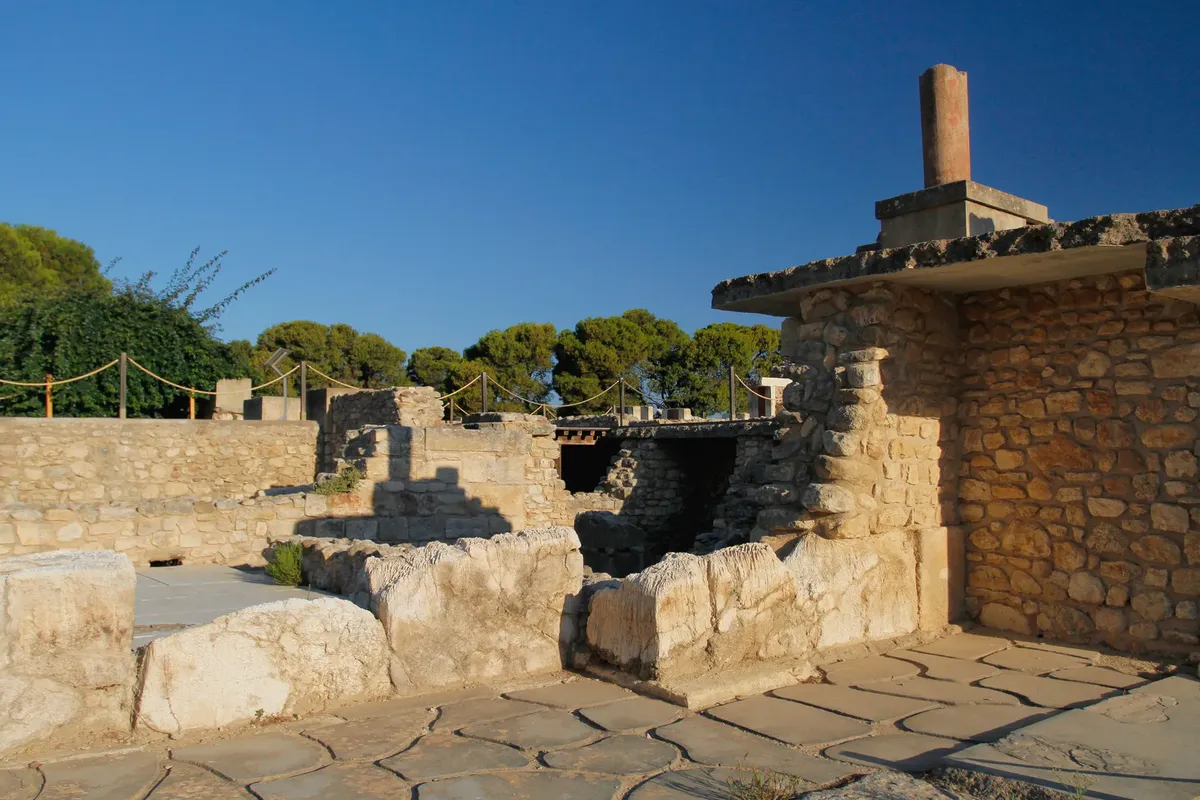
A visitor walks through a sun-drenched excavation site, looking at the remains of walls that once stood tall. The study of the Ruins of Crete now involves comparing modern archaeological techniques with the historical context of the 15th century.
Researchers must balance the physical preservation of sites with the need to extract data.
The preservation of these sites is vital for future generations of historians. Ongoing work ensures that the context of every find is documented before it is moved to a museum. This process is essential for maintaining the integrity of the historical record.
The relationship between the physical ruins and the history they represent is a constant subject of debate. Some believe the ruins tell a story of sudden collapse, while others see a gradual transition. Each perspective relies on the same physical evidence.
How do we apply historical analysis to these findings?
A historian sits at a desk, surrounded by maps and photographs of ancient excavations, trying to find a pattern. Applying historical analysis involves a three-step process to ensure accuracy:
- Document the exact context of the artifact's discovery, including its depth and surrounding materials. 2. Compare the stylistic elements of the find with known historical periods to establish a timeline. 3. Cross-reference the findings with existing academic literature to validate new hypotheses.

I once spent hours comparing the proportions of a single seal to a catalog of known inscriptions to see if the styles matched. This methodical approach prevents the misinterpretation of data.
A limitation of this research is that the lack of a bilingual text, like a Rosetta Stone, makes the full translation of the Cretan Hieroglyphic script difficult. This means some conclusions remain speculative.
- What defines the secrets of Crete ruins 1450s?
- How do we interpret the Crete sites 1450s?
- Can we understand the Crete mystery 1450 through artifacts?
The subject here is Crete ruins 1450s.
The same subject is also called 15th century Crete.
Related
- Sewol ferry mystery progress: 18 knots, best to understand
- How do official inquiries impact historical narratives?
What does the dust of the 1450s reveal about societal structure?
The dust of the 1450s suggests a society whose organization was complex, requiring detailed record-keeping. The inscriptions reveal a society with specific needs for communication, whether that was trade or religious matters.
The physical artifacts, like the seals, show how symbols were integrated into the daily activities of the inhabitants.
The comparison between the script's complexity and the artifacts found allows researchers to hypothesize about the social stratification present during that period. The intentional lines on the stones, touched by the dust of the 1450s, speak to a structured existence.
This structure is what the artifacts help illuminate.
The transition of power in the Mediterranean during this time is mirrored in the artifacts, showing how different groups interacted with or succeeded one another. The symbols themselves act as a record of these shifts, though the full meaning remains elusive to modern eyes.
Wikipedia: Cretan hieroglyphs Based on the retained excerpt mentioning Ashmolean Museum Oxford: Owens, An Introduction to «Cretan Hieroglyphs»: A Study of «Cretan Hieroglyphic» Inscriptions in English Museums (excluding the Ashmolean Museum Oxford), Cretan Studies VIII (2002), 179–184.




Comments 0