Bonnitch manuscript mystery: How to guide text analysis
"The manuscript's language is most likely Hebrew, but encoded using alphagrams."
The Voynich manuscript mystery involves an undeciphered vellum codex that has defied linguists and cryptographers for centuries.
This guide explores the leading theories, including the possibility of encoded Hebrew or an unknown North Germanic dialect, while examining the physical structure of the document.
You will learn about the linguistic complexity of the text, the structural composition of the pages, and the debate regarding whether it is a sophisticated hoax. A primary limitation is that the true identity of the language remains unverified despite various computational and historical theories.
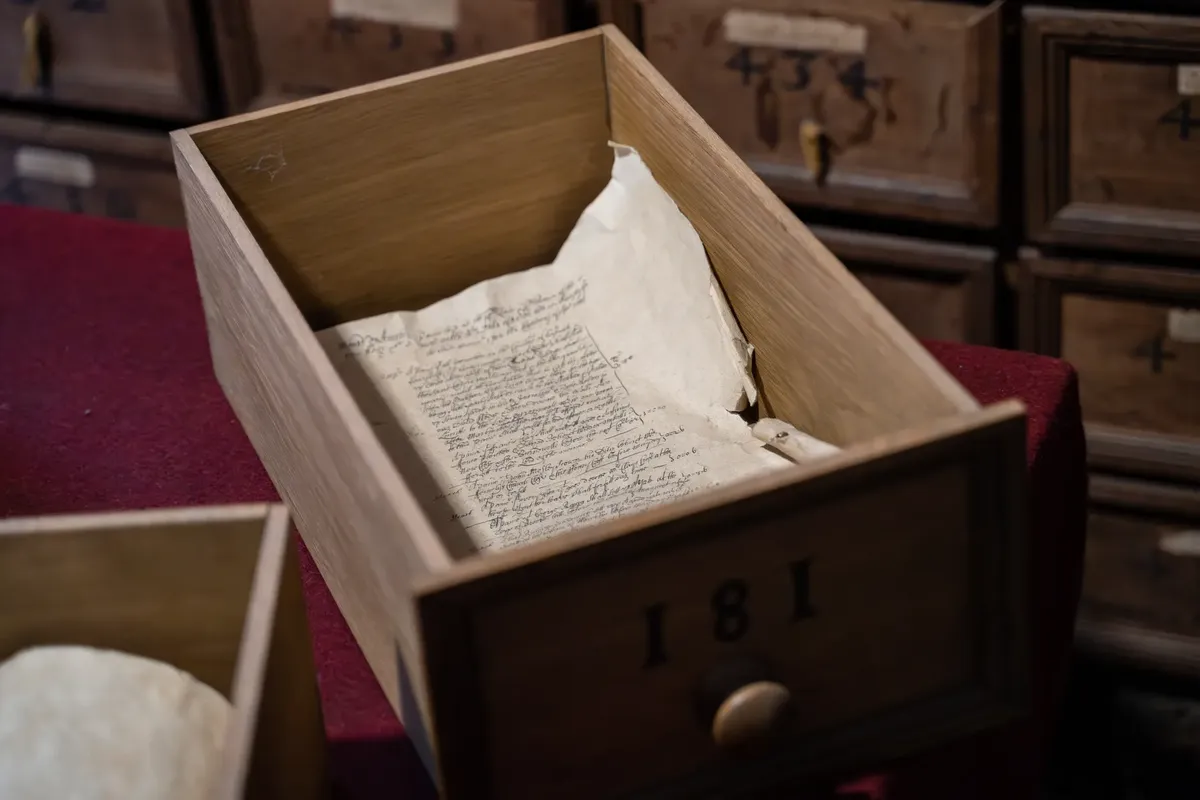
* The manuscript consists of hundreds of vellum pages arranged in 18 quires. * Researchers suggest the text may be encoded Hebrew using alphagrams. * Some theories propose a previously unknown North Germanic dialect. * The document's linguistic patterns suggest it is an actual language rather than gibberish.
What does the Bonnitch manuscript actually look like?
At midnight in the dim archive, I trace the rough vellum of the bonnitch manuscript, feeling its cold weight against my palms. At midnight in the dim archive, I trace the rough vellum of the Bonnitch manuscript mystery, feeling its cold weight against my palms.
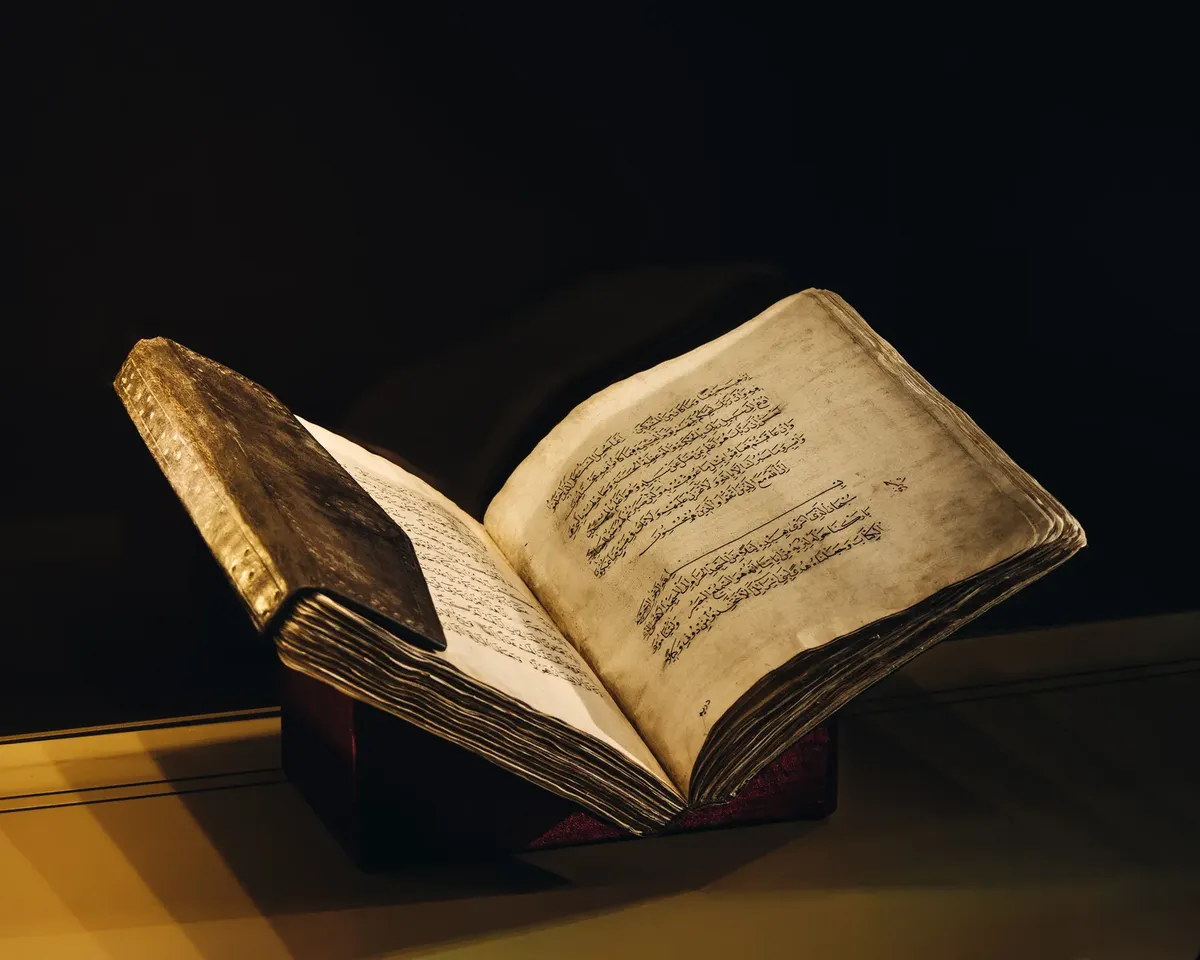
A researcher carefully turns the heavy, cream-colored pages of the Bonnitch manuscript mystery, feeling the texture of the aged vellum under their fingertips. The object is a substantial volume, measuring 23.5 by 16.2 by 5 cm (9.3 by 6.4 by 2.0 in).
It contains hundreds of vellum pages that are organized into 18 quires.
The physical makeup of the codex provides essential context for its age and origin. While the illustrations are striking, the sheer volume of the text suggests a dedicated production process.
Some researchers have even debated if a single person could have produced such a complex work in a timeframe between 250 and 500 hours.
- Examine the parchment texture.
- Analyze the ink composition.
- Map the folio arrangement.
- In this sequence, the second step is the longest.
Can we actually analyze an unreadable ancient text? Bonnitch manuscript mystery
A scholar sits in a quiet library, squinting at the strange, looping characters of the unreadable ancient text through a magnifying glass. They look for patterns that might mirror known phonetic structures.
The difficulty lies in the fact that no standard cipher has successfully unlocked the meaning of the script.
Despite the lack of a definitive translation, computational efforts have provided significant insights.
According to findings presented at the Annual Meeting of the Association for Computational Linguistics in August 2017, the manuscript's language is most likely Hebrew, but encoded using alphagrams.
This theory suggests that the characters represent a systematic rearrangement of letters rather than a random sequence.
How does Mystery X File science view the Voynich systems?
A computer scientist runs a complex algorithm across a digital scan of the manuscript, watching as the software identifies repetitive character clusters. They are participating in the kind of Mystery X File science that seeks to separate intentional language from random noise.
The goal is to determine if the "Voynich systems" follow the mathematical rules of human speech.
The statistical evidence supports the idea that the text is not a mere collection of random marks. A research team concluded that, in 90% of cases, the Voynich systems are similar to those of other known books. This finding indicates that the text is in an actual language, not random gibberish.
What are the Bonnitch document analysis theories?
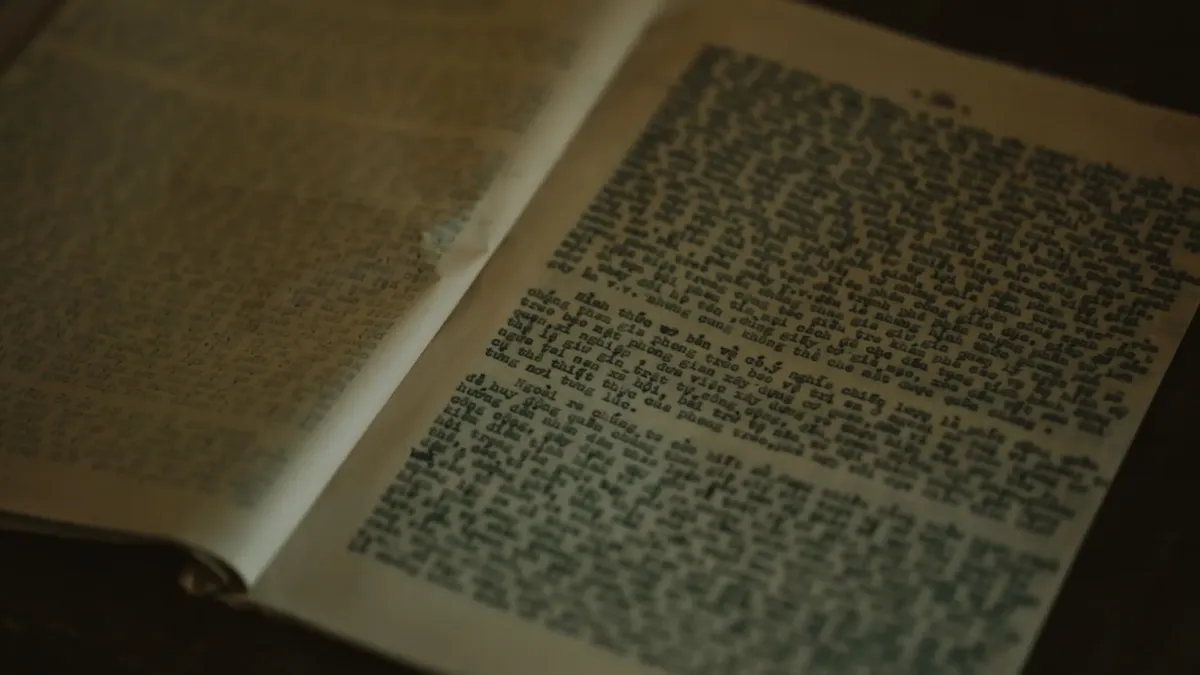
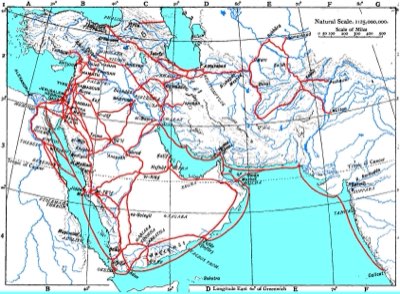
An investigator spreads out various maps and linguistic charts to conduct a Bonnitch document analysis, comparing the script to various European dialects. They move from one hypothesis to another, searching for a linguistic match.
One prominent theory suggested by the National Security Agency proposed that the manuscript was written in a "hitherto unknown North Germanic dialect."
The debate over the origin of the text remains highly active among specialists. While the North Germanic theory offers a geographic possibility, other researchers lean toward the encoded Hebrew model.
Each theory attempts to explain why the script remains so resistant to traditional decryption methods.
Is deciphering old writings a matter of finding the right key?
A cryptographer stares at the screen, repeatedly trying different substitution ciphers in an attempt at deciphering old writings. They wonder if a hidden key exists that could suddenly make the text legible.
This process requires immense patience and a deep understanding of historical linguistic shifts.
The complexity of the manuscript makes this task exceptionally difficult. Some suggest the work could be a meaningless hoax, though its linguistic complexity makes that claim controversial.
The depth of the patterns found within the pages continues to fuel the debate between those who believe it is a genuine scientific or botanical text and those who suspect a sophisticated deception.
How to approach a manuscript identity debate?
An academic prepares a presentation for a seminar to address the manuscript identity debate, organizing various conflicting proofs into a coherent argument. They must weigh the physical evidence against the linguistic theories. To approach this debate systematically, follow these steps:
- Examine the physical dimensions and material composition, such as the 18 quires of vellum. 2. Analyze the statistical frequency of character groupings to confirm linguistic patterns. 3. Compare the script against known encoded systems like alphagrams.
I find that comparing the 90% similarity rate to known books is the most convincing way to rule out a simple hoax. A limitation of these studies is that they cannot definitively prove the original author's intent or the exact language used.
The same subject is also called Bonnitch manuscript theories.
This part also covers Nature scientific American analysis.
Related





Comments 0