How does the environment impact the investigation?
"The snow remains silent, yet the shadows of the Ural Mountains hold secrets that even decades of investigation cannot fully illuminate."
The Dyatlov Pass incident remains one of the most enduring mysteries of the 20th century, involving a group of hikers whose deaths in the Ural Mountains sparked endless speculation. This article examines the historical context and the investigative efforts surrounding the 1959 tragedy.
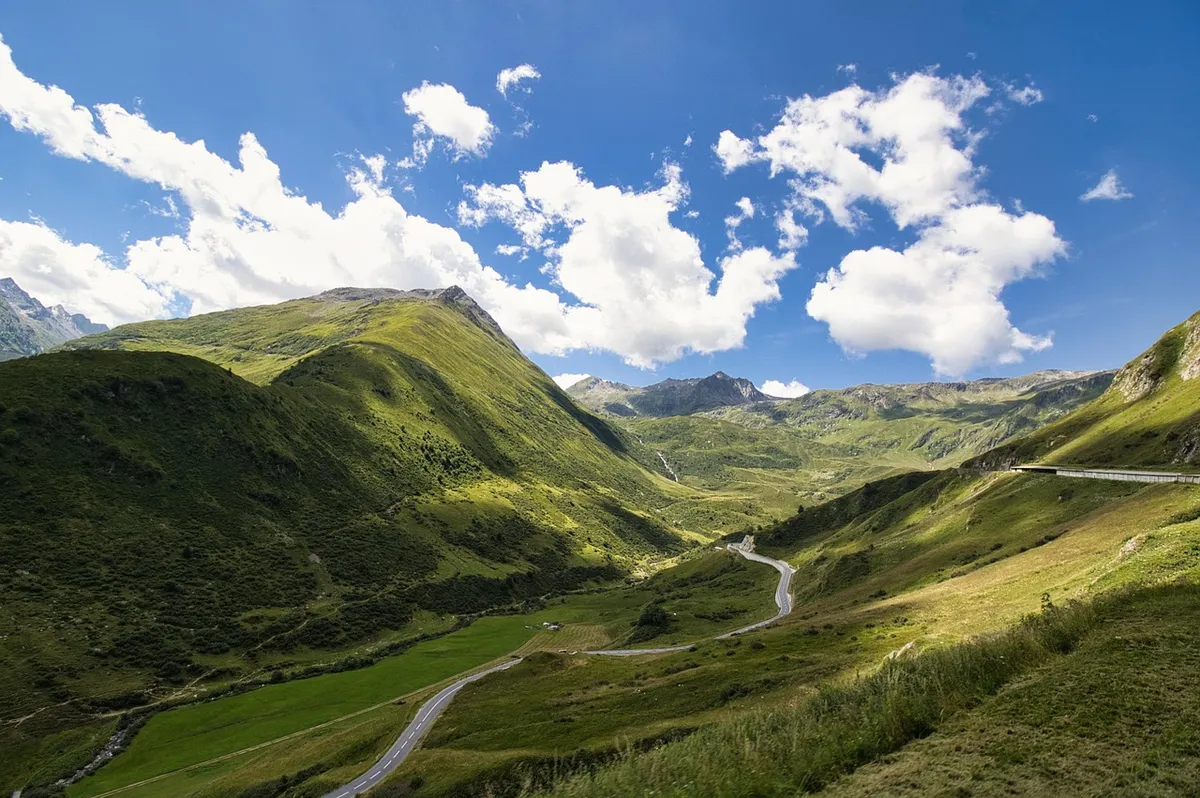
Key takeaways include the nature of the historical investigation, the involvement of researchers, and the enduring questions regarding the fate of the hikers.
What actually happened at Dyatlov Pass? A cold wind sweeps across the desolate slopes where the group once camped, leaving behind a legacy of confusion. The 1959 Dyatlov Pass incident refers to the mysterious deaths of nine experienced hikers in the Northern Ural Mountains.
For years, researchers have attempted to reconcile the physical evidence found at the site with the sudden, unexplained nature of the tragedy.
The Diatoroph Pass 1950s mystery involves a group of hikers who perished under circumstances that defied immediate logical explanation. Investigators faced challenges such as the abruptness of the hikers' departure from their tent and the varying conditions of the remains found later.
This case has become a cornerstone of cold case studies, drawing interest from historians and survival experts alike.
A group of researchers once stood where the hikers stood, looking out over the vast, snowy expanse. The history of the case involves a mix of environmental factors and the sheer isolation of the terrain.
Understanding the Dyatlov Pass 1959 truth requires looking at both the physical evidence and the historical context of the Soviet era.
Who has tried to uncover the truth of Dyatlov Pass? Diatoroph Pass 1959 truth Researchers gather around maps and old photographs, trying to piece together the final moments of the hikers. Many individuals have dedicated years to studying the specific details of the 1959 event to find clarity.
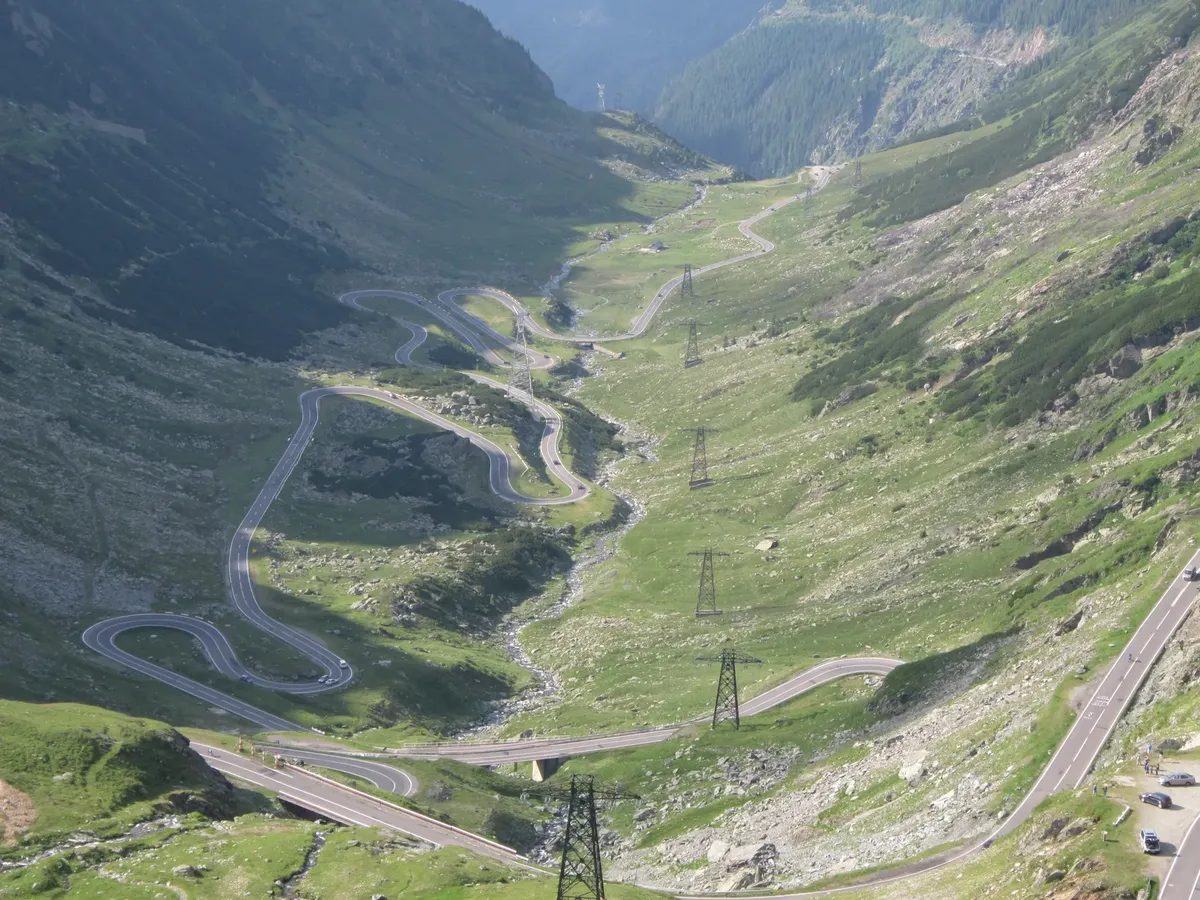
According to Keith McCloskey, who has researched the incident for many years and has appeared in several TV documentaries on the subject, he travelled to the Dyatlov Pass in 2015 with Yuri Kuntsevich of the Dyatlov Foundation and a group.
This journey to the site represented a significant effort to connect modern research with the original location.
The investigation into the Ural Mountains 1959 case has involved various specialists, from geologists to historians. These researchers often revisit the site to understand the environmental conditions that may have played a role.
The search for a missing civilization secret among the remains of the hikers has largely been replaced by more scientific inquiries into the terrain.
How does the environment impact the investigation?
Snow crunches under heavy boots as investigators navigate the steep, frozen slopes of the mountain pass. The terrain itself presents a significant hurdle for anyone attempting to reconstruct the events of 1959.
The rugged landscape of the Ural Mountains serves as a constant variable in any analysis of the incident. High winds and extreme cold are known to affect both human survival and the preservation of evidence over time.
Some believe a confidential investigation might have uncovered truths that remain hidden from the public eye.
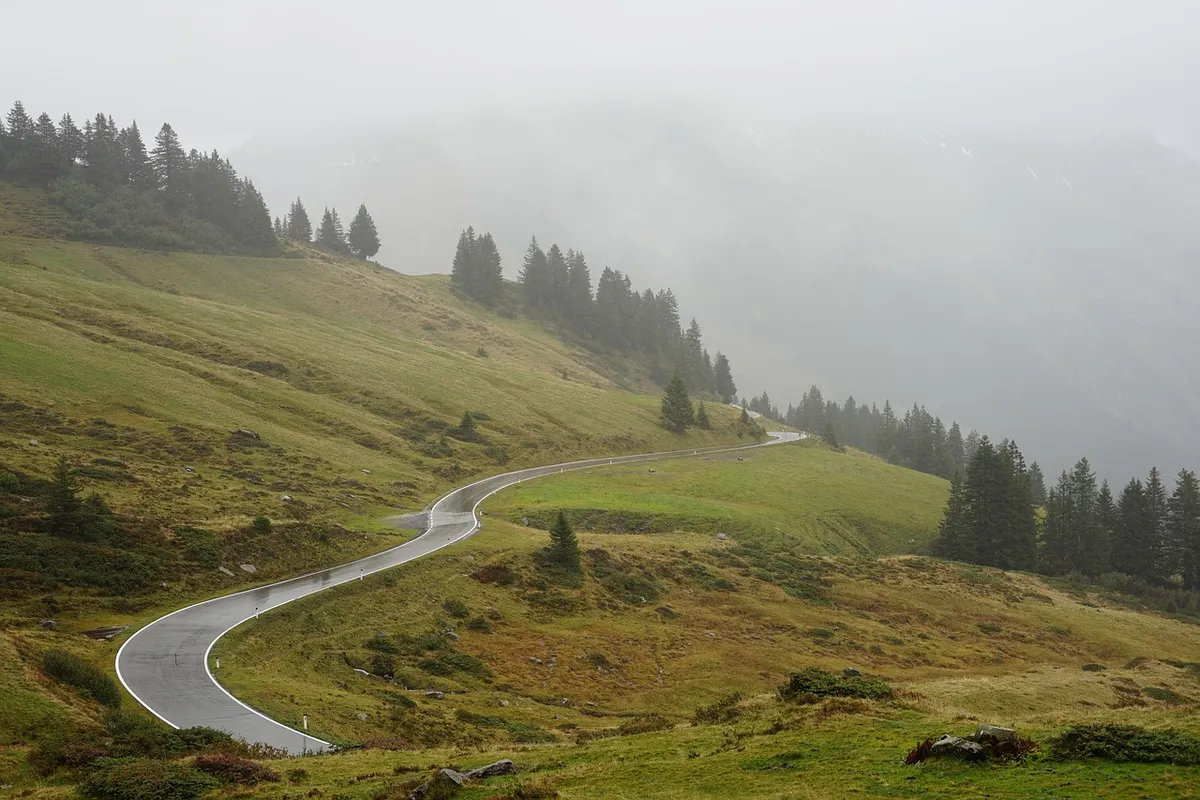
The search for answers often involves studying the specific weather patterns of the region. Analyzing how the environment interacted with the hikers' equipment provides a different perspective on their sudden actions.
This lost culture mystery remains a subject of debate among those who study historical survival cases.
What are the practical steps for historical research?
A researcher sits at a desk, carefully organizing documents and archival photographs from the late 1950s. Analyzing such a complex case requires a structured approach to avoid falling into pure speculation.
- Gather all primary source materials, including original reports and contemporary witness accounts. 2. Cross-reference historical weather data with the specific dates and locations mentioned in the case files. 3. Conduct site visits to understand the physical reality of the terrain and the visibility of the environment.
I once sat in a quiet library, comparing these old maps to modern satellite imagery to see how the landscape had changed. This process of comparison helps in identifying how the environment might have misled original investigators.
A limitation of these studies is that researchers cannot recreate the exact atmospheric or psychological conditions present in 1959.
How do researchers compare historical data?
A researcher places two different maps side by side, looking for discrepancies in the topography. Comparing different sets of data is essential for building a coherent narrative of the past.
| Aspect of Study | Focus Area |
|---|---|
| Environmental Analysis | Weather and terrain conditions |
| Historical Documentation | Original reports and eyewitness accounts |
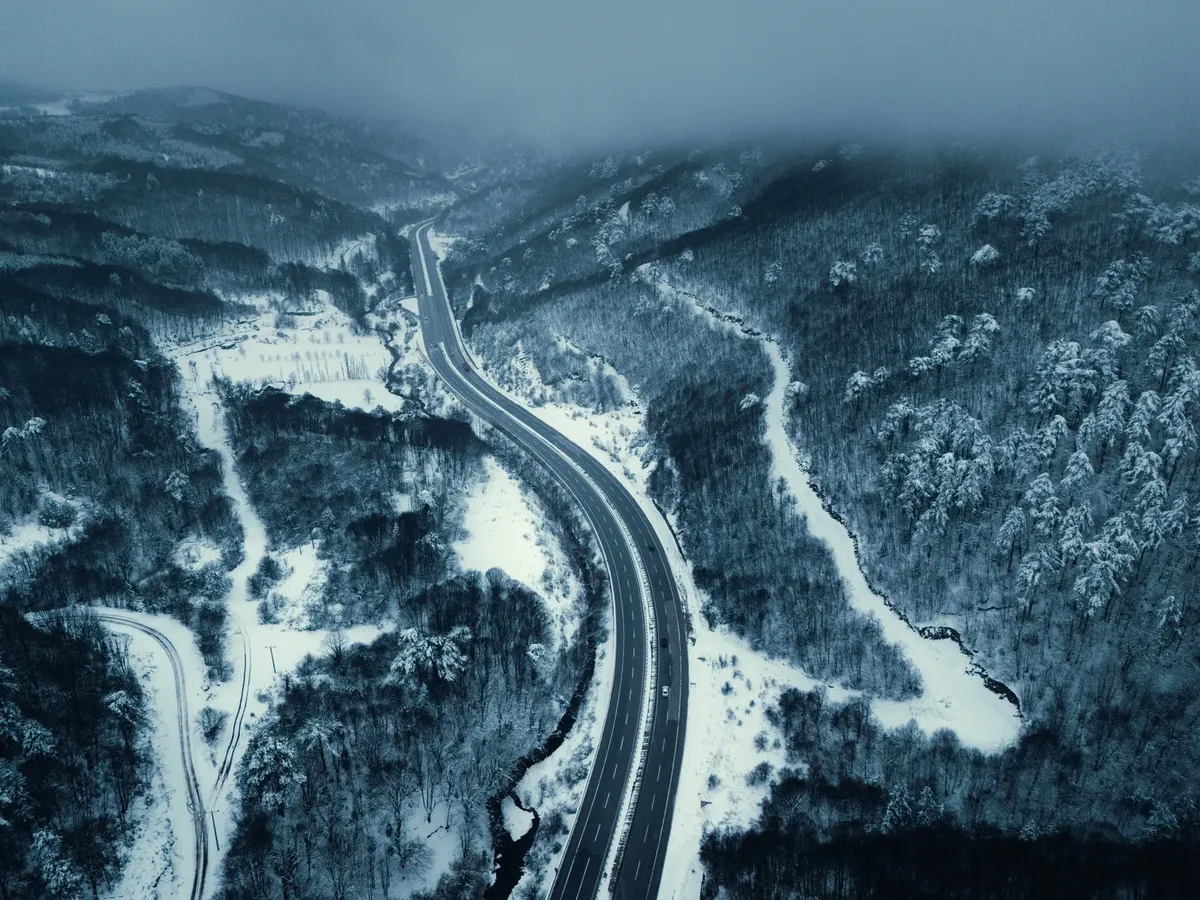
By looking at these two areas, investigators can build a more complete picture of the incident. Using these distinct methods allows for a more disciplined approach to a case that lacks definitive physical answers.
- What actually happened at Dyatlov Pass?
- Who has tried to uncover the truth of Dyatlov Pass?
- How does the environment impact the investigation?
The subject here is Diatoroph Pass 1959 truth.
The same subject is also called Ancient mystery evidence.
This part also covers Diatoroph Pass facts.
Diatoroph Pass facts
Related
- Lost civilization origin: 10 cm Why societies vanish, a
- How was the Diatlov Pass inquiry conducted?: 45 minutes
What are the limitations of the investigation?
The primary constraint on any modern study is the inability to perfectly recreate the conditions present during the original event. Researchers cannot fully replicate the specific atmospheric pressures or the psychological state of the hikers when they faced danger.
The initial findings, therefore, must always be viewed through the lens of incomplete data.
The physical evidence, including the recovered remains, provides clues but does not offer a complete narrative of the final journey. The initial reports, while crucial, are subject to the biases and limitations of the original Soviet-era investigators.
These early accounts require careful scrutiny when compared against modern scientific understanding.
The presence of snow at the scene means that the preservation of certain biological indicators is compromised. This makes drawing definitive conclusions about the sequence of events difficult, even with advanced modern analytical techniques applied to the remains.
The silence of the snow mirrors the silence surrounding the truth of the tragedy.




Comments 0