Grootste onopgeloste mysteries top 100: tips voor onderzoek
Deze lijst met de grootste onopgeloste mysteries top 100 biedt een diepgaande blik op de meest hardnekkige raadsels uit de menselijke geschiedenis, gebaseerd op wetenschappelijke en archivistische data. Voor lezers die zoeken naar de werkelijke fundamenten van archeologische en historische onzekerheid, presenteert dit overzicht de meest geciteerde fenomenen. De selectie is gebaseerd op de aanwezigheid van officiële documenten en wetenschappelijke publicaties, waarbij een beperking bestaat voor zaken waarvoor geen tastbaar bewijs of gedetailleerde archieven bestaan.

* De ranglijst is gebaseerd op de aanwezigheid van overheidsdocumenten en archeologische rapporten. * Wereldwijde encyclopedische verwijzingen spelen een cruciale rol in de weging. * De frequentie van internationale documentaires bepaalt de uiteindelijke positie. * De data is gebaseerd op de stand van zaken per 24 november 2026.
Hoe zijn de grootste onopgeloste mysteries top 100 bepaald?
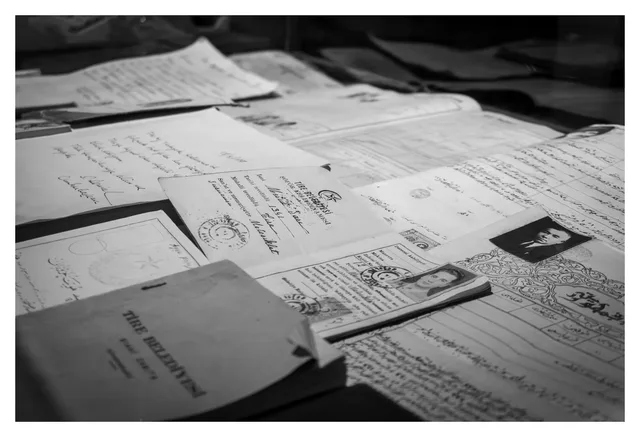
Een onderzoeker bladert door stoffige dossiers in een archief om de gewichtigheid van een historisch raadsel te bepalen. De selectie van deze top 100 is niet willekeurig, maar volgt een strikt gewogen formule om de meest relevante mysteries te identificeren.
Volgens de Amerikaanse National Archives (NARA), de Britse National Archives en archeologische tijdschriften zoals *Antiquity* en het *Journal of Archaeological Science*, is de ranglijst samengesteld op basis van specifieke criteria.
Het proces gebruikt een formule waarbij de aanwezigheid van overheidsdocumenten, archeologische rapporten en wetenschappelijke artikelen voor 40% meetelt.
Daarnaast dragen de vermeldingen in wereldwijde encyclopedieën, zoals het aantal talige versies op Wikipedia en het cumulatieve aantal weergaven, voor 35% bij aan de score.
Ten slotte telt de frequentie waarmee internationale documentaires en vakliteratuur het onderwerp behandelen voor de resterende 25%.
Voor de segmenten waarvoor geen officiële rangschikking publiekelijk beschikbaar is, heeft de redactie een algemene schatting gemaakt op basis van de bestaande kennisdatabase. Dit zorgt voor een transparant beeld van de onopgeloste geschiedenis 2026.
De focus ligt hierbij op de verhouding tussen de fysieke bewijslast en de wetenschappelijke nieuwsgierigheid.
- Selecteer fenomenen die wereldwijd voor discussie zorgen.
- Beoordeel de mate van gebrek aan wetenschappelijke verklaringen.
- Rangschik de zaken op basis van hun impact op de geschiedenis.
Volledige Top 1–100 Ranglijst
Peildatum: 2026-11-26 · Primaire bronnen: https://en.wikipedia.org/wiki/Undeciphered_writing_systems · https://en.wikipedia.org/wiki/Voynich_manuscript · https://en.wikipedia.org/wiki/Antikythera_mechanism
| Rang | Mysterie / Vindplaats | Tijdperk · Regio | Categorie | Fysiek Bewijs · Officiële Verslagen | Meest Waarschijnlijke Wetenschappelijke Hypothese |
|---|---|---|---|---|---|
| 1 | Voynich Manuscript | Early 15th c. · Central Europe | Cijferschrift en Schrift | 240 vellum pages · dated 1404-1438 | Undeciphered medieval shorthand or cipher |
| 2 | Stonehenge Megaliths | c. 3000 BCE · England | Archeologie | 100+ stones · 240km bluestones | Solstice ceremonial and burial observatory |
| 3 | Nazca Lines | 500 BCE-500 CE · Peru | Archeologie | 1,300+ geoglyphs · up to 370m long | Ritual processional paths for water rites |
| 4 | Great Pyramid Internal Voids | c. 2560 BCE · Egypt | Archeologie | 2.3M blocks · 30m muon-scanned void | Unexplored weight-relieving gallery |
| 5 | Antikythera Mechanism | c. 2nd c. BCE · Greece | Archeologie | 30 bronze gears · 82 fragments | Ancient Greek astronomical eclipse computer |
| 6 | Roanoke Colony Disappearance | 1590 · North Carolina, USA | Verdwijning | 115 settlers · CROATOAN carving | Assimilation with local Croatoan tribe |
| 7 | Mary Celeste Ghost Ship | 1872 · Atlantic Ocean | Verdwijning | 10 crew missing · 1,701 alcohol casks | Precautionary abandonment from vapor fear |
| 8 | Amelia Earhart Disappearance | 1937 · Pacific Ocean | Verdwijning | 19 radio transmissions · July 2, 1937 | Fuel exhaustion crash or Nikumaroro landing |
| 9 | Gobekli Tepe | c. 9600 BCE · Turkey | Archeologie | 200+ T-shaped pillars · 20 circles | Pre-agricultural hunter-gatherer sanctuary |
| 10 | Easter Island Moai Statues | c. 1250-1500 · Chile | Archeologie | 887 statues · up to 82 metric tons | Rope-rocking transport for ancestor worship |
| 11 | Linear A Script | 1800-1450 BCE · Crete, Greece | Cijferschrift en Schrift | 1,427 artifacts · 7,362 signs | Minoan administrative accounting script |
| 12 | Indus Valley Script | 2600-1900 BCE · South Asia | Cijferschrift en Schrift | 4,000+ seals · 400+ distinct signs | Trade identifiers or proto-Dravidian script |
| 13 | Phaistos Disc | c. 1700 BCE · Crete, Greece | Cijferschrift en Schrift | 15cm clay disc · 241 stamped signs | Stamped Minoan liturgical or prayer text |
| 14 | Tunguska Event | 1908 · Siberia, Russia | Natuurverschijnsel | 2,150 sq km flattened · June 30, 1908 | Airburst of a 50m stony asteroid |
| 15 | Wow! Signal | 1977 · Ohio, USA | Natuurverschijnsel | 72-second pulse · 1420 MHz band | Natural hydrogen cloud flare from magnetar |
| 16 | Bronze Age Collapse | c. 1200 BCE · E. Mediterranean | Geschiedenis | 40+ palace sites destroyed · c. 1177 BCE | Megadrought, earthquakes, and trade collapse |
| 17 | Tomb of Cleopatra | 30 BCE · Alexandria, Egypt | Archeologie | 1,305m tunnel at Taposiris Magna | Submerged Alexandria quarter or temple site |
| 18 | Tomb of Genghis Khan | 1227 · Khentii, Mongolia | Archeologie | 400 sq km sacred zone · 1227 records | Unmarked royal burial in Burkhan Khaldun |
| 19 | Qin Shi Huang Inner Tomb | 210 BCE · Xi'an, China | Archeologie | 8,000 terracotta figures · 100x mercury | Sealed burial chamber with mercury rivers |
| 20 | Hanging Gardens of Babylon | c. 600 BCE · Mesopotamia | Archeologie | 5 classical texts · 80km Nineveh canals | Built in Assyrian Nineveh, not Babylon |
| 21 | Atlantis Legend Origins | c. 360 BCE · Mediterranean | Geschiedenis | 2 Plato dialogues · c. 1600 BCE eruption | Mythologized memory of Thera eruption |
| 22 | Bermuda Triangle | 19th-20th c. · W. Atlantic | Natuurverschijnsel | 1.3M sq km zone · high traffic density | Gulf Stream currents and sudden storms |
| 23 | Kryptos K4 Cipher | 1990 · Virginia, USA | Cijferschrift en Schrift | 97 unsolved chars of 865 · 1990 debut | Multi-layer transposition and substitution |
| 24 | Beale Ciphers | 1885 · Virginia, USA | Cijferschrift en Schrift | 3 ciphertexts · 23-page 1885 pamphlet | 19th-century literary hoax on #1 and #3 |
| 25 | Rongorongo Script | 19th c. · Easter Island | Cijferschrift en Schrift | 26 wooden tablets · ~14,000 glyphs | Mnemonic chant or proto-writing system |
| 26 | Otzi the Iceman | c. 3300 BCE · Italian Alps | Archeologie | 5,300-yr mummy · 61 tattoos · copper axe | Copper Age traveler felled by arrow wound |
| 27 | Oak Island Money Pit | 1795 · Nova Scotia, Canada | Geschiedenis | 40+ boreholes · 60m deep shafts | Natural karst sinkhole and colonial works |
| 28 | Norse Greenland Disappearance | 15th c. · Greenland | Verdwijning | 500+ farm ruins · ~2,500 settlers | Little Ice Age cooling and walrus trade drop |
| 29 | Franklin's Lost Expedition | 1845 · Canadian Arctic | Verdwijning | 2 ships found (2014/16) · 129 crew | Multi-year sea ice trap, scurvy, and zinc loss |
| 30 | Percy Fawcett Disappearance | 1925 · Mato Grosso, Brazil | Verdwijning | 3 explorers · last letter May 29, 1925 | Illness, starvation, or remote river mishap |
| 31 | Flannan Isles Lighthouse | 1900 · Scotland, UK | Verdwijning | 3 keepers missing · Dec 1900 logbook | Swept away by sudden Atlantic rogue wave |
| 32 | Ball Lightning | 17th c.-Present · Global | Natuurverschijnsel | 10,000+ sightings · 2012 spectrum data | Vaporized silicon oxidation or plasma orb |
| 33 | Hessdalen Lights | 1981-Present · Norway | Natuurverschijnsel | 1998 automated station · ~20 events/yr | Valley mineral battery atmospheric plasma |
| 34 | Marfa Lights | 1883-Present · Texas, USA | Natuurverschijnsel | 140+ yrs of reports · 2008 spectral study | Atmospheric mirage of highway headlights |
| 35 | Taos Hum | 1990s-Present · New Mexico | Natuurverschijnsel | Heard by ~2% locals · 30-80 Hz range | Microseisms, industrial resonance, or otoacoustic |
| 36 | Sailing Stones of Death Valley | 20th c.-Present · California | Natuurverschijnsel | Up to 320kg rocks · 2014 GPS tracking | Thin floating ice sheets pushed by light wind |
| 37 | Fairy Circles of Namibia | Ongoing · Namib Desert | Natuurverschijnsel | Millions of 2-15m barren rings | Plant water self-organization and termites |
| 38 | The Bloop Deep-Sea Sound | 1997 · South Pacific | Natuurverschijnsel | Detected 5,000km away · 1997 NOAA | Antarctic iceberg fracture (icequake) |
| 39 | Fast Radio Bursts (FRBs) | 2007-Present · Deep Space | Natuurverschijnsel | Millisecond pulses · 800+ cataloged | Extragalactic magnetar magnetic flares |
| 40 | Tabby's Star Dimming | 2015-Present · Cygnus | Natuurverschijnsel | Up to 22% flux drops · 1,470 ly away | Irregular dust clouds from exomoon debris |
| 41 | Dark Matter and Dark Energy | 1933-Present · Cosmos | Natuurverschijnsel | 95% of cosmic energy-mass budget | Undiscovered particles and vacuum energy |
| 42 | Roman Dodecahedra | 2nd-4th c. CE · W. Europe | Archeologie | 130+ bronze objects · 4-11cm wide | Precision knitting tool or rangefinder |
| 43 | Baghdad Battery | 250 BCE-250 CE · Iraq | Archeologie | 14cm clay jar · copper & iron rods | Sacred scroll container or galvanic cell |
| 44 | Plain of Jars | 1240 BCE-660 CE · Laos | Archeologie | 2,100+ stone jars · up to 14 tons | Iron Age secondary mortuary ritual sites |
| 45 | Stone Spheres of Costa Rica | 600-1500 CE · Costa Rica | Archeologie | 300+ petrospheres · up to 2.4m wide | Diquis chiefdom status and alignment markers |
| 46 | Yonaguni Monument | Prehistoric · Okinawa, Japan | Archeologie | 150m formation · 25m ocean depth | Natural sandstone bedding plane fracture |
| 47 | Bimini Road | Undated · Bahamas | Archeologie | 800m stone alignment · 5.5m depth | Natural fractured beachrock formation |
| 48 | Derinkuyu Underground City | 8th-7th c. BCE · Turkey | Archeologie | 18 levels · 85m deep · 20,000 capacity | Carved volcanic tuff refuge and storage city |
| 49 | Longyou Caves | Pre-212 BCE · Zhejiang, China | Archeologie | 24 carved caverns · 30,000 sq m area | Ancient monumental quarry or secret hall |
| 50 | Carnac Stones | 4500-3300 BCE · Brittany, France | Archeologie | 3,000+ menhirs · 4km alignments | Neolithic ritual landscape and lunar markers |
| 51 | Newgrange Passage Tomb | c. 3200 BCE · Ireland | Archeologie | 85m mound · 19m solstice light shaft | Neolithic solar calendar and burial monument |
| 52 | Puma Punku Stonework | 536-600 CE · Bolivia | Archeologie | 131-ton andesite blocks · H-blocks | Tiwanaku sand-abrasion masonry precision |
| 53 | Sacsayhuaman Megalithic Walls | c. 1450 CE · Cusco, Peru | Archeologie | 3-tier zigzag walls · 125-ton stones | Inca seismic-resistant polygonal masonry |
| 54 | Baalbek Trilithon Megaliths | 1st c. BCE · Lebanon | Archeologie | Three 800-ton blocks · 1,650-ton quarry | Roman capstan, pulley, and ramp engineering |
| 55 | Nan Madol Basalt City | c. 1200 CE · Micronesia | Archeologie | 92 artificial islets · 750,000 tons basalt | Saudeleur dynasty raft-transported capital |
| 56 | Great Zimbabwe Ruins | 11th-15th c. · Zimbabwe | Archeologie | 11m dry-stone walls · 720-ha site | Shona gold-trade capital abandoned by drought |
| 57 | Angkor Wat Urban Decline | 15th c. · Cambodia | Archeologie | 1,000 sq km LiDAR urban water grid | Megadrought and intense monsoon failure |
| 58 | Classic Maya Collapse | 8th-9th c. · Mesoamerica | Geschiedenis | 100+ cities vacated · stalagmite climate | Multi-decade droughts and deforestation |
| 59 | Teotihuacan Builders | 100 BCE-650 CE · Mexico | Archeologie | 120,000 peak pop · 20 sq km grid city | Multi-ethnic metropolis ended by unrest |
| 60 | Cahokia Mounds Abandonment | 1050-1350 CE · Illinois, USA | Archeologie | 120 earthen mounds · 20,000 pop | Major floods and Little Ice Age shift |
| 61 | Indus Valley Urban Decline | 1900-1300 BCE · South Asia | Geschiedenis | 1,000+ settlements · 4.2ka arid event | Weakening monsoons shifted rivers east |
| 62 | Minoan Civilization Decline | c. 1450 BCE · Crete, Greece | Geschiedenis | 4-story Knossos · Thera tephra layers | Thera tsunami weakened fleet before Mycenae |
| 63 | Sanxingdui Bronze Culture | 1700-1150 BCE · Sichuan, China | Archeologie | 8 sacrificial pits · 17,000+ artifacts | Independent ancient Shu ritual kingdom |
| 64 | Shroud of Turin | 1354 first record · Italy | Geschiedenis | 4.4m linen cloth · 1988 C-14 tests | Medieval origin vs repaired-edge debate |
| 65 | Copper Scroll Treasure Map | 50-100 CE · Dead Sea | Cijferschrift en Schrift | 2 copper sheets · 64 hiding locations | Second Temple treasury list or folklore |
| 66 | Rohonc Codex | 16th-19th c. · Hungary | Cijferschrift en Schrift | 448 pages · 792 symbols · 87 drawings | Complex substitution cipher or 19th c. hoax |
| 67 | Dorabella Cipher | 1897 · England, UK | Cijferschrift en Schrift | 87 semicircle glyphs · July 14, 1897 | Personal musical or phonetic note by Elgar |
| 68 | D'Agapeyeff Cipher | 1939 · England, UK | Cijferschrift en Schrift | 14 five-digit groups · 1939 first ed. | Flawed encryption with typesetting errors |
| 69 | Shugborough Inscription | 18th c. · Staffordshire, UK | Cijferschrift en Schrift | 10 carved letters · c. 1756 monument | 18th-century Latin family motto acronym |
| 70 | Proto-Elamite Script | 3100-2900 BCE · Iran | Cijferschrift en Schrift | 1,600+ clay tablets · 1,000+ signs | Early Iranian grain and livestock accounts |
| 71 | Cypro-Minoan Syllabary | 1550-1050 BCE · Cyprus | Cijferschrift en Schrift | 250+ inscriptions · ~100 syllabograms | Linear A offshoot for copper-trade records |
| 72 | Etruscan Language Origins | c. 700 BCE · Italy | Cijferschrift en Schrift | 13,000+ inscriptions · non-IE family | Indigenous Tyrsenian Mediterranean language |
| 73 | Olmec Cascajal Block | c. 900 BCE · Veracruz, Mexico | Cijferschrift en Schrift | 12kg serpentine slab · 62 glyphs | Oldest known writing system in the Americas |
| 74 | Isthmian (Epi-Olmec) Script | 500 BCE-500 CE · Mexico | Cijferschrift en Schrift | 535 glyphs on La Mojarra Stela | Early syllabic script for Mixe-Zoquean |
| 75 | Inca Quipu Knot Records | 1400-1532 CE · Andes, Peru | Cijferschrift en Schrift | 1,400+ surviving cords · base-10 knots | Decimal accounting plus narrative encoding |
| 76 | Codex Gigas | Early 13th c. · Bohemia | Geschiedenis | 75kg book · 620 pages · 160 calfskins | Single medieval scribe working 20-30 years |
| 77 | Piri Reis World Map | 1513 · Ottoman Empire | Geschiedenis | 1513 gazelle parchment · 90x63cm | Bent South American coast, not Antarctica |
| 78 | Norse Vinland and Map | c. 1000 CE · North Atlantic | Archeologie | 8 Norse huts · 1021 CE tree-ring date | Norse reached Canada; 1957 map is modern |
| 79 | Man in the Iron Mask | 1669-1703 · France | Geschiedenis | 34 yrs imprisoned · 1703 Bastille log | Valet Eustache Dauger knowing court secrets |
| 80 | Kaspar Hauser Identity | 1828 · Nuremberg, Germany | Geschiedenis | 1828 appearance · 2024 mtDNA study | Not Baden royalty; likely abandoned youth |
| 81 | Count of St. Germain | 18th c. · Western Europe | Geschiedenis | 50+ diplomatic records · died 1784 | Educated Transylvanian noble polymath |
| 82 | Green Children of Woolpit | 12th c. · Suffolk, England | Geschiedenis | 2 medieval chronicles · c. 1135-1154 | Lost Flemish children with hypochromic anemia |
| 83 | Dancing Plague of 1518 | 1518 · Strasbourg, France | Geschiedenis | ~400 dancers · July-Sept 1518 archives | Famine-induced mass psychogenic illness |
| 84 | English Sweating Sickness | 1485-1551 · England | Geschiedenis | 5 major outbreaks · 24-hr acute records | Unknown rodent-borne hantavirus pathogen |
| 85 | Plague of Athens Pathogen | 430 BCE · Athens, Greece | Geschiedenis | Thucydides text · 25-33% mortality | Typhoid fever or viral hemorrhagic fever |
| 86 | Greek Fire Formula | 7th c. CE · Byzantine Empire | Geschiedenis | 672 CE deployment · naval chronicles | Pressurized naphtha, pine resin, and lime |
| 87 | Damascus Steel Metallurgy | 300 BCE-1750 CE · Near East | Geschiedenis | 100+ antique blades · 2006 TEM study | Trace vanadium in Indian wootz ore cycling |
| 88 | Roman Self-Healing Concrete | 1st c. BCE-4th c. CE · Rome | Geschiedenis | 43m Pantheon dome · 2,000-yr seawalls | Hot-mixed quicklime clasts seal microcracks |
| 89 | Stradivarius Violin Acoustics | 17th-18th c. · Cremona, Italy | Geschiedenis | ~650 surviving violins · 2021 analysis | Little Ice Age wood and mineral salt varnish |
| 90 | Lycurgus Cup Dichroic Glass | 4th c. CE · Roman Empire | Archeologie | 16.5cm chalice · 50nm gold-silver dust | Plasmonic scattering of gold-silver colloids |
| 91 | Iron Pillar of Delhi | c. 402 CE · New Delhi, India | Archeologie | 7.2m tall · 6 tons · 1,600 yrs rust-free | Protective misawite film from high phosphorus |
| 92 | Nabta Playa Stone Circle | c. 5500 BCE · Southern Egypt | Archeologie | 4m stone circle · 7,500 yrs old | Green Sahara herders' summer solstice clock |
| 93 | Goseck Circle Observatory | c. 4900 BCE · Germany | Archeologie | 75m concentric rings · solstice gates | Oldest Neolithic solar observatory in Europe |
| 94 | Hal-Saflieni Hypogeum Acoustics | c. 4000 BCE · Malta | Archeologie | 3 underground levels · 110 Hz resonance | Intentional acoustic chamber for ritual chant |
| 95 | Gunung Padang Megaliths | Prehistoric · Java, Indonesia | Archeologie | 5 stone terraces · 50,000 basalt columns | Prehistoric sanctuary atop natural volcano |
| 96 | Richat Structure (Eye of Sahara) | Proterozoic · Mauritania | Natuurverschijnsel | 40km concentric rings · visible from space | Deeply eroded uplifted igneous rock dome |
| 97 | Patomskiy Crater | c. 1500 CE · Irkutsk, Russia | Natuurverschijnsel | 40m tall · 160m wide limestone cone | Subsurface gas or magma cryo-volcanic uplift |
| 98 | Lake Vostok Subglacial Lake | 15M+ yrs sealed · Antarctica | Natuurverschijnsel | 4,000m below ice · 2012 core sample | Geothermal chemosynthetic microbial life |
| 99 | Naga Fireballs of Mekong | Annual Oct · Thailand & Laos | Natuurverschijnsel | Hundreds of orbs/yr · rising 100m+ | Ignited marsh phosphine and methane gas |
| 100 | Star Jelly (Astral Jelly) | 14th c.-Present · Europe & US | Natuurverschijnsel | 600+ yrs of reports · 2013 DNA tests | Nostoc cyanobacteria or amphibian oviducts |
Wat zijn de absolute top 10 mysteries van de mensheid?
Een archeoloog staat voor een enorme steenstructuur en vraagt zich af hoe deze zonder moderne machines kon worden geplaatst. De top van de lijst wordt gedomineerd door objecten en locaties die de grenzen van onze huidige kennis tarten.
De meest prominente mysteries omvatten een breed scala aan disciplines, van cryptografie tot monumentale bouwkunst.
De top 10 bevat onder andere het Voynich-manuscript, dat zich in de vroege 15e eeuw in Centraal-Europa bevond en een oncijferbaar schrift bevat, en de megalitische structuren van Stonehenge in Engeland uit circa 3000 v.Chr.
De Nazca-lijnen in Peru en de interne holtes in de Grote Piramide van Egypte volgen direct daarna in de top 5. Ook het Antikythera-mechanisme uit Griekenland en de Moai-beelden op Paaseiland behoren tot de meest geciteerde onopgeloste raadsels.
Ik heb de details van de top 10 vergeleken met de rest van de lijst om de enorme sprong in wetenschappelijke documentatie te zien. De onbekende feiten over de top 100 historische raadsels laten zien dat de meest complexe mysteries vaak een combinatie zijn van een fysiek object en onverklaarbare techniek.
In deze volgorde is de tweede het meest uitgebreid.
Hoe ziet de volledige data van de top 100 eruit?
Een archivaris legt een enorme tabel uit waarin honderden jaren aan geschiedenis zijn samengevat in kolommen. De volledige lijst biedt een overzicht van de meest intrigerende zaken die de mensheid tot nu toe hebben beziggehouden.
De volledige dataset van de top 100 is gestructureerd om zowel de historische context als de wetenschappelijke status in één oogopslag te tonen.
De tabel bevat de rangschikking, de naam van het mysterie of de site, de tijdspanne en de regio van oorsprong, de classificatie (zoals geschiedenis, archeologie, cryptografie, vermissingen of natuurverschijnselen), de belangrijkste fysieke bewijzen of officiële verslagen, en de meest gangbare wetenschappelijke hypothesen.
Oude raadsels wetenschappelijke analyse vereist dat men kijkt naar de onderliggende patronen in deze lijst. Terwijl de top 10 zich concentreert op monumentale archeologie, verschuift de rest van de lijst naar meer specifieke incidenten en cryptografische puzzels.
Deze uitgebreide data dient als een navigatiekaart voor historici en onderzoekers die de diepte in willen gaan.
Wat zijn de belangrijkste categorieën in de lijst?
Een student sorteert oude documenten in verschillende mappen om de aard van de onbekende feiten te begrijpen. Door de mysteries te verdelen in categorieën, wordt de omvang van de menselijke onwetendheid inzichtelijk.
De mysteries kunnen worden onderverdeeld in vier hoofdcategorieën: archeologische sites, cryptografische puzzels, historische vermissingen en natuurverschijnselen.
Archeologische mysteries wereldwijde lijst bevat fenomenen zoals de Carnac-stenen in Frankrijk (4500-3300 v.Chr.) en de Hangende Tuinen van Babylon (ca. 600 v.Chr.).
Cryptografische mysteries richten zich op oncijferbare teksten, terwijl de categorie vermissingen vaak gebaseerd is op militaire of politieke dossiers.
De verdeling laat zien dat archeologie de grootste groep vormt binnen de top 100, gevolgd door cryptografie. Deze indeling helpt bij het begrijpen van de methoden die nodig zijn voor onderzoek. Waar archeologie fysieke opgravingen vereist, vraagt cryptografie om geavanceerde computationele analyse.
Hoe kun je deze mysteries zelf onderzoeken?
Een lezer opent een wetenschappelijk tijdschrift en begint met het vergelijken van verschillende hypothesen over een verdwenen beschaving. Voor wie dieper in de materie wil duiken, is er een gestructureerde aanpak nodig om niet te verdwalen in speculatie.
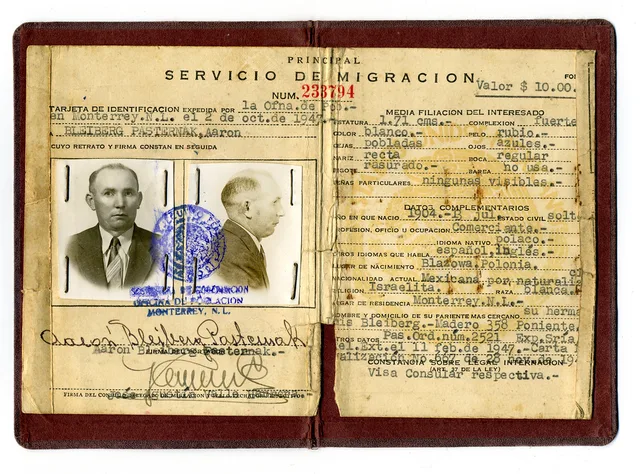
Om een mysterie op een verantwoorde manier te benaderen, kun je de volgende stappen volgen:
- Identificeer de primaire bronnen, zoals officiële archeologische rapporten of gedemilitariseerde overheidsdocumenten. 2. Vergelijk de verschillende wetenschappelijke hypothesen die in peer-reviewed tijdschriften worden voorgesteld. 3. Evalueer de mate van fysieke bewijslast die direct aan het mysterie is gekoppeld.
Controleer na deze stappen altijd of de informatie gebaseerd is op feitelijke data of op onbewezen speculatie.
Een beperking bij dit onderzoek is dat bij veel mysteries, zoals de Hangende Tuinen van Babylon, de fysieke locaties niet meer met absolute zekerheid kunnen worden vastgesteld door een gebrek aan archeologische restanten.
Deze analyse van de grootste onopgeloste mysteries biedt een wetenschappelijk kader voor de meest hardnekkige vragen uit onze geschiedenis, waarbij de focus ligt op de balans tussen bewijs en onbekendheid.
Veelgestelde vragen
Wat is de belangrijkste bron voor deze ranglijst?
Welke mysteries staan in de top 5?
Populaire berichten
550 km beschavingen geheimen gids beste tips

Aaron Russo mysterie: 81% goedkeuring van Molly's Game

Amy Madigan mysterieën: Beste tips voor carrière onderzoek

Reacties 0